Walking & Hiking
Trails through vines and gum-studded hills
The best walking & hiking in Barossa Valley
Walking trails, sculpture paths and lookouts that reveal the valley's landscapes on foot.
Read our guide to walking & hiking ↓Browse walking & hiking by area
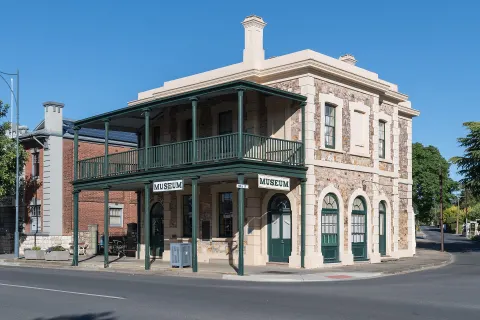
Angaston Railway Station Free
View →A restored heritage railway station at Angaston, a window into the Barossa's 19th-century rail era.
Barossa Bushgardens
View →A community native botanic garden near Nuriootpa showcasing local indigenous plants along easy walking paths.
Barossa Goldfields
View →The site of an 1868 gold rush near Cockatoo Valley, now a network of signposted loop walks past diggings, shafts and miners' cottage ruins.
Barossa Reservoir Reserve
View →The bushland reserve surrounding the Barossa Reservoir and Whispering Wall, with picnic areas and walking paths.
Barossa Valley Way
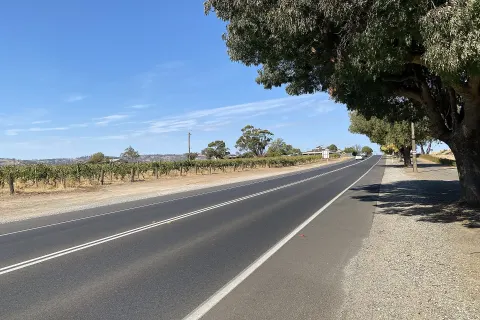
View →The valley’s spine: a vine-lined drive through every famous name
Bethany Reserve
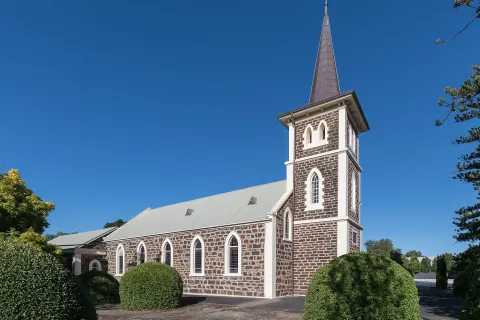
View →A peaceful reserve in the historic village of Bethany, the Barossa's first German settlement, with a creek, lawns and old cottages nearby.
Goat Square, Tanunda
View →A historic colonial square in Tanunda, the original village market place, ringed by some of the town's oldest cottages.
Hale Conservation Park
View →A rugged little park just south of Williamstown with a 4 km circuit past rocky lookouts, a seasonal waterfall and old mica diggings.
Kaiserstuhl Conservation Park
View →A rugged park in the hills east of the valley, with walking trails through stringybark forest and native wildlife.
Kapunda Mine Historic Site
View →The open cuts, chimney and ruins of Australia's first successful metal mine, worked for copper from 1844 to 1879, with an interpretive trail.
Lavender Federation Trail (Barossa Section)
View →A 325 km long-distance walking trail from Murray Bridge to Clare that traces the Barossa's eastern hills, with spurs into Truro and Keyneton.
Mengler Hill Lookout
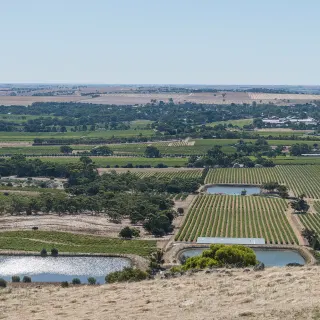
View →A hilltop lookout between Tanunda and Angaston offering one of the Barossa's most photographed valley panoramas.
Mengler Hill Road
View →The high, twisting drive over the eastern ranges
Mengler Hill Sculpture Trail Free
View →A short hilltop walking loop dotted with stone sculptures, beside the Barossa's most famous lookout.
Mount Crawford Forest Reserve
View →More than 12,000 hectares of pine plantation and native forest near Williamstown, threaded with Heysen Trail walks, campsites and shared riding trails.
Nuriootpa Linear Park Free
View →A shaded creekside walking and cycling path through the heart of Nuriootpa, following the North Para River.
Para Wirra Conservation Park
View →A rugged bushland park on the southern edge of the Barossa with walking trails, native wildlife and granite gorge scenery.
Sandy Creek Conservation Park
View →A birdwatcher's reserve of sandy rises, native pine and pink gum near Lyndoch, with more than 130 bird species recorded.
Tanunda Heritage Walk
View →A self-guided stroll through the valley’s German heart
The Barossa Trail
View →A 40 km sealed cycling and walking path linking Gawler, Lyndoch, Tanunda, Nuriootpa and Angaston through vineyard country.
Truro
View →The Barossa's eastern gateway on the Sturt Highway - an 1848 township with a heritage walk, stone pubs and a walking-trail spur past an old copper mine.
Warren Reservoir
View →A peaceful reservoir reserve for walks and waterbirds
About walking & hiking in Barossa Valley
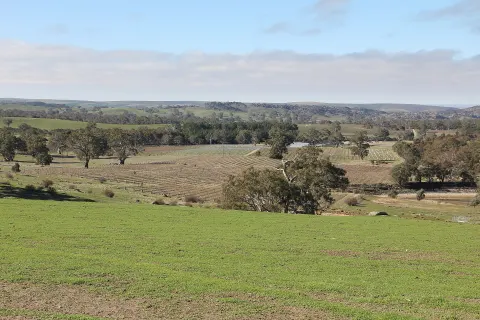
Lace up your boots and the Barossa reveals a quieter side, away from the cellar doors and out among the gum trees, vineyards and granite ridges. The valley offers everything from flat, pram-friendly strolls to genuine bushwalks with valley views as a reward.
For rugged country, head to Kaiserstuhl Conservation Park in the hills east of the valley, where trails wind through stringybark forest, or the granite gorges of Para Wirra on the southern edge. Closer to town, the Barossa Sculpture Park loop above Tanunda combines art with one of the region's best lookouts. Linear creekside paths at Nuriootpa and Tanunda make easy, shaded options.
Many walks link to the valley's wildlife and nature spots, so keep an eye out for kangaroos, echidnas and native birds. Carry water, especially in summer, and start early to beat the heat.
Walking & Hiking in Barossa Valley - frequently asked questions
What is the Barossa known for when it comes to walking and hiking?
The Barossa pairs gentle valley-floor paths with rugged bushwalks in the surrounding ranges, so you can swap cellar doors for gum trees, vineyards and granite ridges. Signature outings include the panoramic Mengler Hill Lookout with its Barossa Sculpture Park, the bush trails of Kaiserstuhl Conservation Park, and the long, flat Barossa Trail that links the wine towns. Many walks reward you with views straight out over the famous Shiraz vineyards.
Which are the best walks in the Barossa Valley?
For an easy, scenic highlight, head to Mengler Hill near Bethany, where a short gravel path winds between stone sculptures to one of the valley's best lookouts. For a proper bushwalk, Kaiserstuhl Conservation Park, about 12 km south-east of Tanunda, has the gentle Stringybark loop and the longer Wallowa Hike. Other favourites include the Mengler Hill Sculpture Trail, Barossa Goldfields and the Barossa Bushgardens.
How long is the Barossa Trail and is it suitable for families?
The Barossa Trail is a roughly 40 km sealed walking and cycling path running from Gawler to Angaston via Lyndoch, Rowland Flat, Tanunda and Nuriootpa. With gentle gradients and a flat, sealed surface following the North Para River, it is well suited to families, prams and casual walkers, and you can tackle just one town-to-town section rather than the whole route. Cellar doors, cafes and rest stops dot the way.
Can I bring my dog walking in the Barossa?
It depends on where you walk. Dogs are not permitted in conservation parks such as Kaiserstuhl, in line with South Australia's national park rules, though certified assistance dogs are welcome. On open public paths like the Barossa Trail and at reserves around the towns dogs are generally fine on a lead, but always check signage at each spot before you set out.
When is the best time of year for walking and hiking in the Barossa?
Autumn (March to May) and spring (September to November) are the pick of the seasons, with mild temperatures comfortable for walking. Autumn brings golden, harvest-time vines, while spring greens up the hills and brings wildflowers to the conservation parks. Summer can climb above 35 degrees, so start early and carry plenty of water if you walk in the warmer months.