Eden Valley
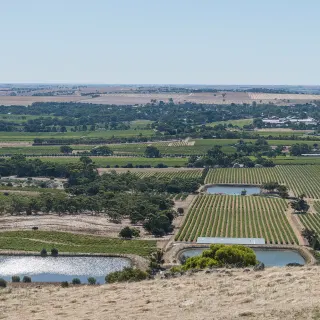
High, cool and quietly grand, the Eden Valley is the Barossa's upland cousin - a country of stone churches, ancient riesling vines and big-sky lookouts a few hundred metres above the valley floor.
The Barossa's high country
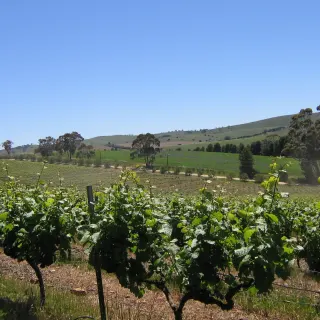
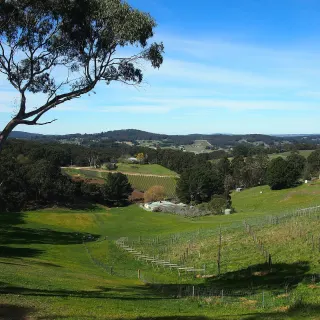
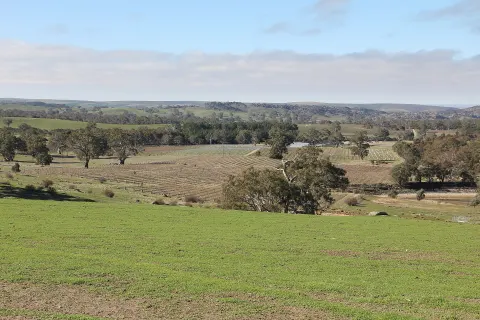
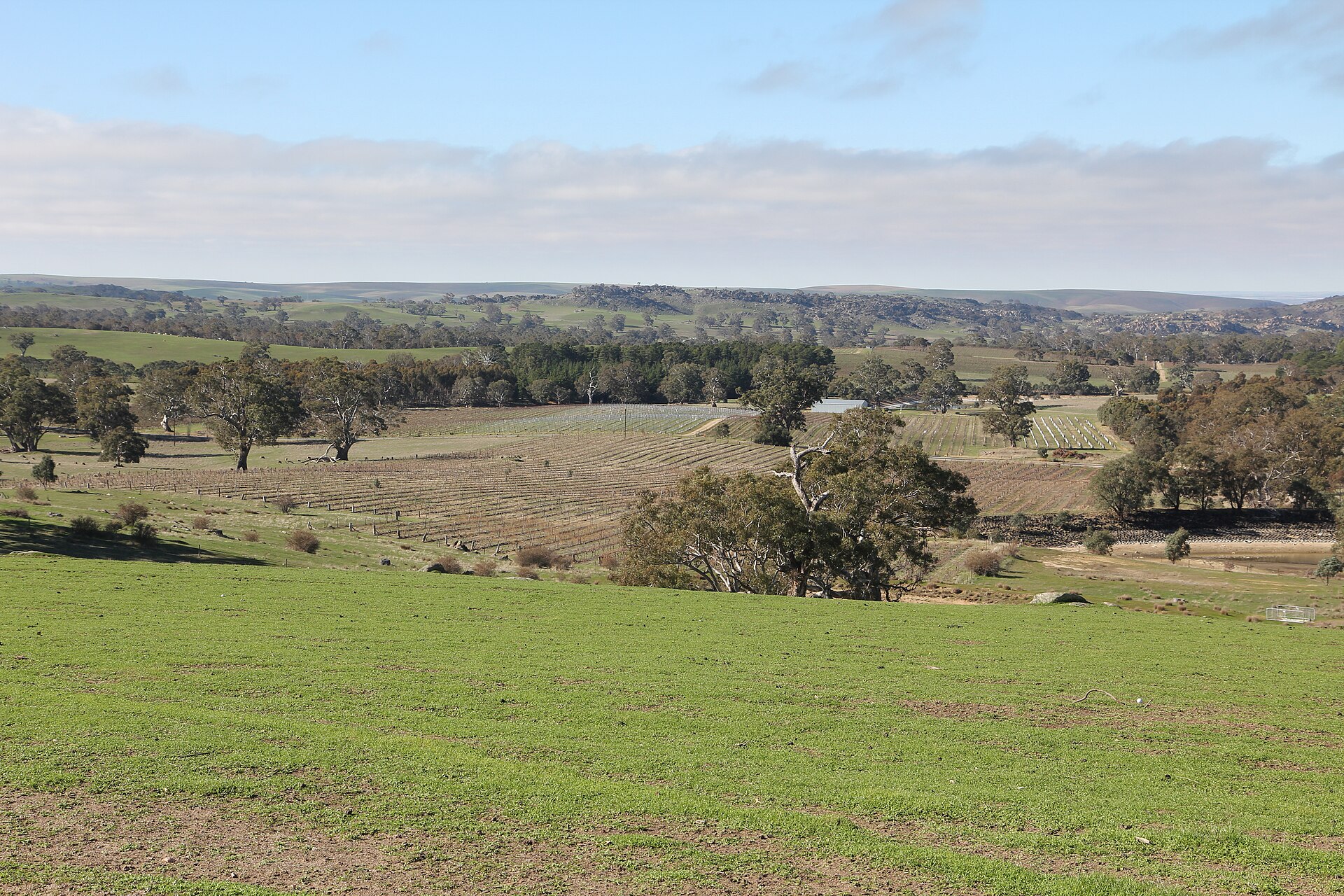
The Eden Valley is the Barossa's cooler, more elevated country, rising to the east of the valley floor where rolling hills, granite outcrops and grand old gums set the scene. The shift in altitude changes everything in the glass: this is where Riesling becomes the signature grape, all lime, blossom and fine acidity, and where Shiraz turns leaner and more elegant than its powerful Barossa neighbour. Winemaking here dates back to 1847, and the district is home to some of the world's oldest Shiraz and Riesling vines.
A landscape with deep roots
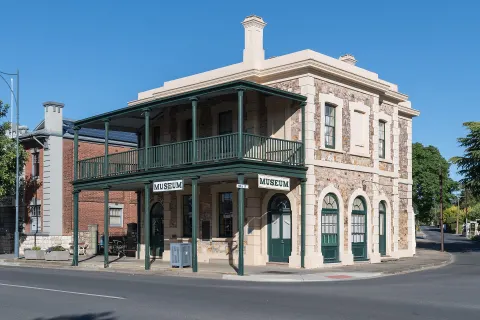
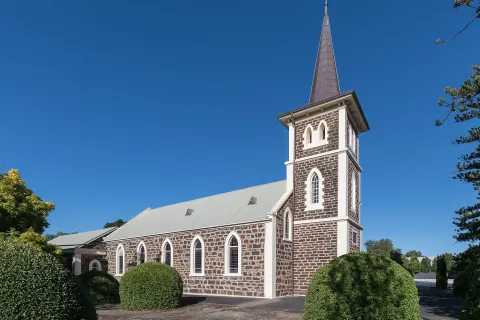
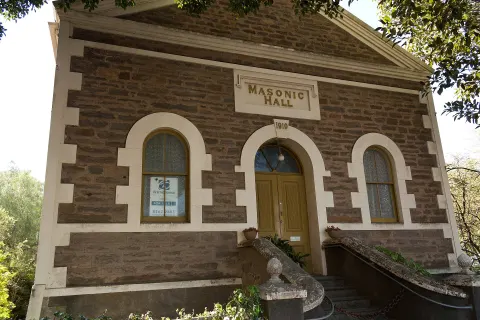
Pioneer Lutheran families settled these hills in the colonial era, and that heritage lingers in stone churches, tiny townships such as Keyneton and Springton, and the much-loved Eden Valley Hotel. At Springton, the hollow red gum known as the Herbig Family Tree, once sheltering the Peramangk people and later a settler family, is one of the region's most cherished landmarks.
What visitors do
Most people come for the cellar doors. Henschke at Keyneton is the celebrated name behind the legendary single-vineyard Hill of Grace Shiraz, while smaller producers such as Mountadam, Poonawatta and Eden Hall reward those who enjoy intimate, friendly tastings, scenic drives and lookouts across the high country.
Visiting Eden Valley - frequently asked questions
What is Eden Valley known for?
Eden Valley is the Barossa's elevated, cooler high country, best known for elegant, age-worthy Riesling and refined single-vineyard Shiraz. It is home to some of the world's oldest Shiraz and Riesling vines, and to Henschke's famous Hill of Grace vineyard near Keyneton. The landscape of rolling hills, granite outcrops and old gums adds to its appeal.
How far is Eden Valley from Adelaide?
Eden Valley sits roughly 60 to 70 kilometres north-east of Adelaide, generally about a 1 hour to 1 hour 20 minute drive depending on which township you are heading to. It lies just east of the main Barossa valley floor, so it pairs easily with a wider Barossa visit. A car is the most practical way to explore its scattered cellar doors.
What is there to do in Eden Valley?
The main draw is wine, with small, welcoming cellar doors led by the celebrated Henschke and smaller names such as Mountadam, Poonawatta and Eden Hall. Beyond tasting, visitors enjoy scenic drives, lookouts over the high country, and country hospitality at the Eden Valley Hotel. History lovers can also visit the Herbig Family Tree and the heritage townships of Keyneton and Springton.
When is the best time to visit Eden Valley?
Spring and autumn are particularly rewarding, with mild days, green hills in spring and golden vines in autumn. As elevated country, Eden Valley runs cooler than the Barossa valley floor, so summer days are pleasant while winters can be crisp and bracing. Cellar doors are generally quieter and more relaxed outside the busiest holiday periods.
Why is the Hill of Grace vineyard so famous?
Hill of Grace is a small, single Shiraz vineyard near Keyneton, planted with some of the world's oldest Shiraz vines, parts of which are well over a century old. The wine made from it by Henschke is one of Australia's most celebrated and sought-after Shiraz. Its renown is a major reason Eden Valley is held in such high regard by wine lovers worldwide.
Things to do in Eden Valley
9 places in this category
No places in this category here yet.
Stories from Eden Valley
Eden Valley: The Barossa’s Cool Cousin
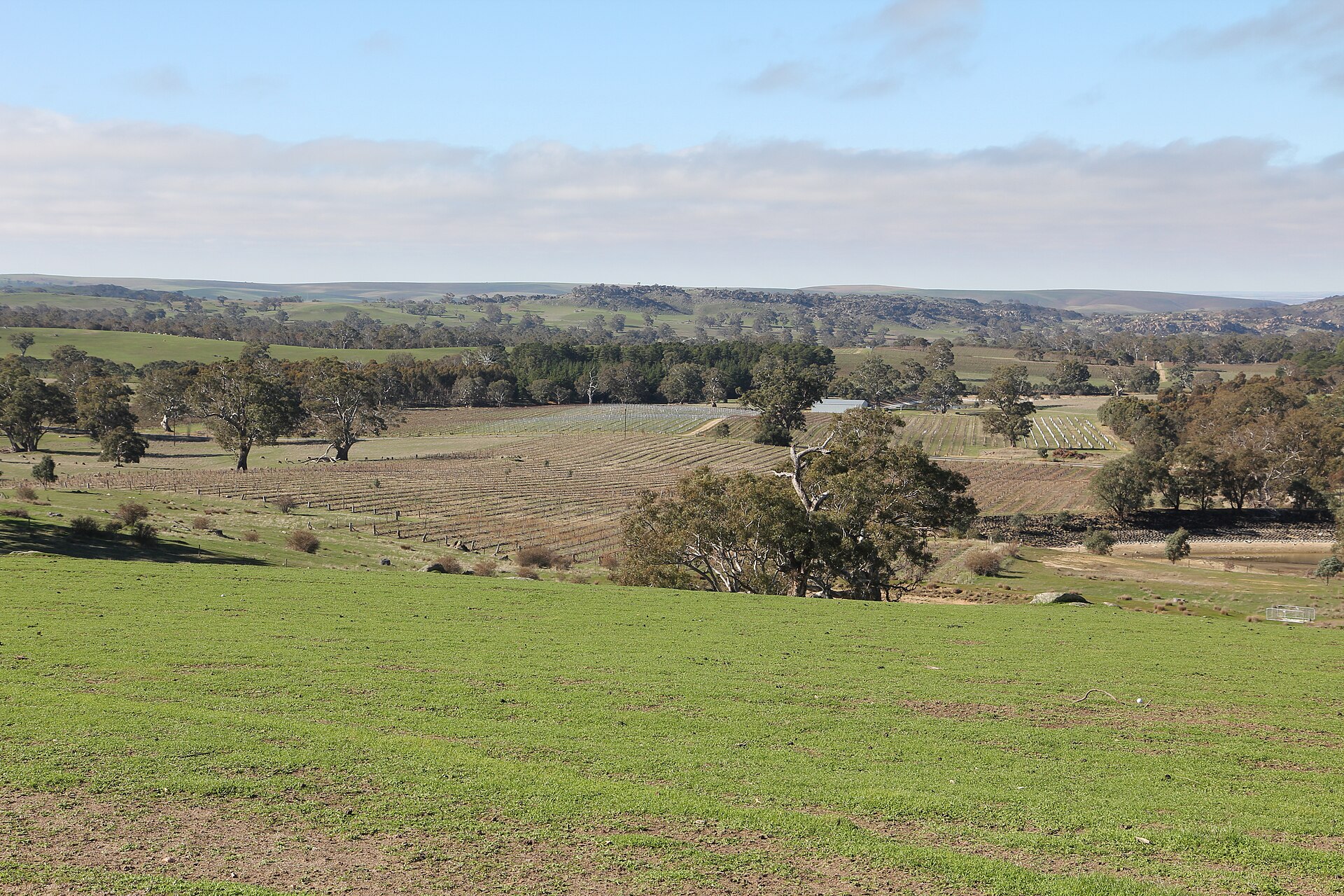
Climb east out of the warm Barossa floor and the landscape changes - and so does the wine. The Eden Valley is the region’s high-country cousin, and a Riesling powerhouse.
June 2026 · 5 min read
Why the Eden Valley Does Riesling Better
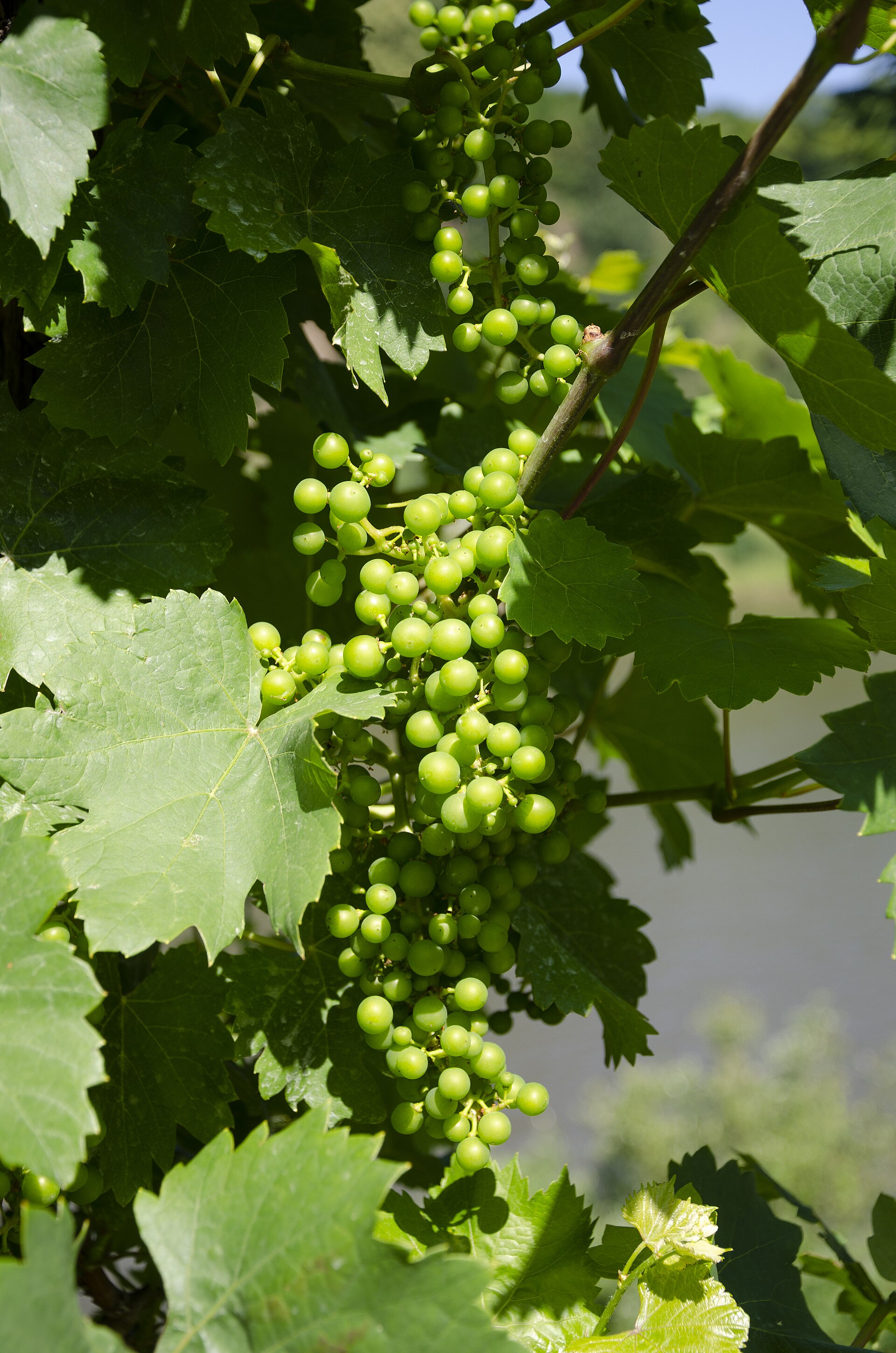
Why the Eden Valley's altitude and ancient soils produce riesling that ages for decades.
June 2026 · 6 min read
Image credits
- Eden Valley, South Australia.jpg by Jonathanischoice , CC BY-SA 4.0 via Wikimedia Commons