Kapunda Mine Historic Site
The open cuts, chimney and ruins of Australia's first successful metal mine, worked for copper from 1844 to 1879, with an interpretive trail.
In 1842, pastoralist Francis Dutton noticed green-stained rock in a paddock while searching for stray sheep; his neighbour Captain Charles Bagot recognised copper ore when he saw it. The pair quietly bought eighty acres at about a pound an acre - mineral rights included - and from 1844 the Kapunda mine became the first commercially successful metal mine in Australia, helping rescue the young colony's finances.
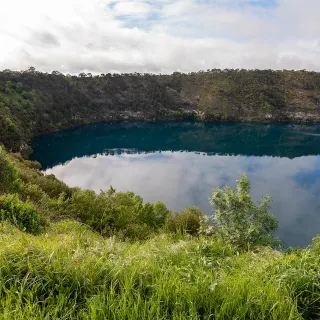
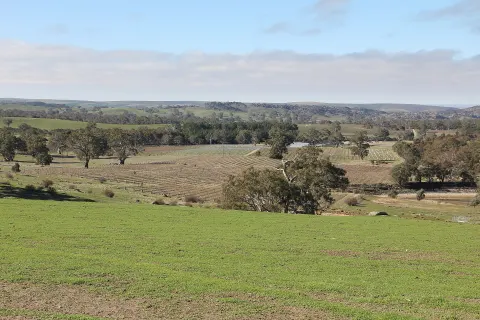
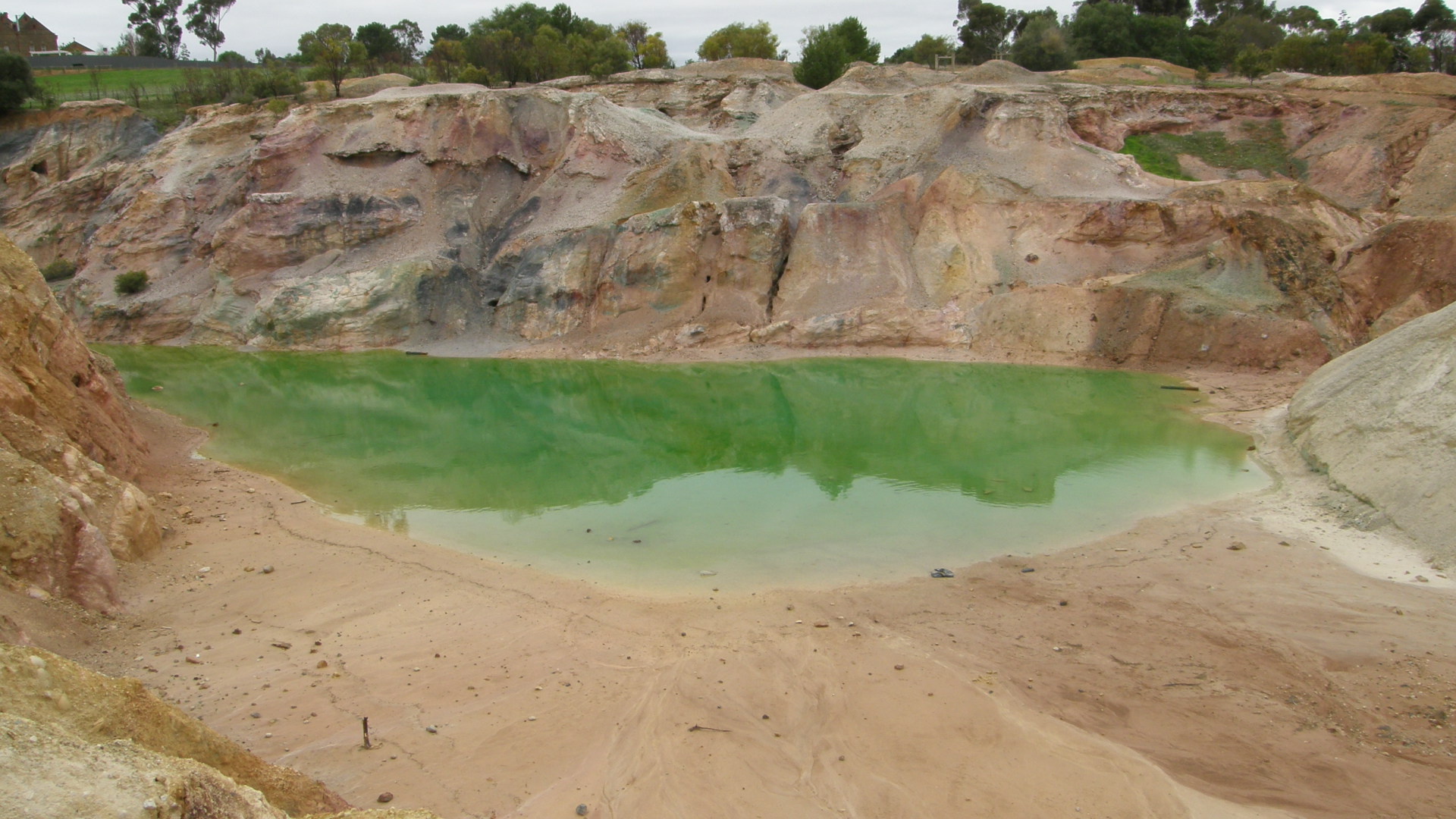
The mine worked until 1879, when falling copper prices finally closed it, yielding some 13,500 tonnes of copper along the way. What remains is surprisingly dramatic: water-filled open cuts in mineral-streaked rock, mounds of spoil, stone ruins and a tall chimney built in the Cornish style by the migrant miners who dominated the workforce.
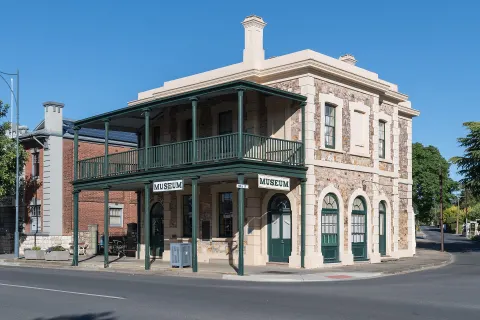
A signposted interpretive trail loops through the site, and it forms the centrepiece of the broader 10-kilometre Kapunda Heritage Trail around town. Get the back-story at the Kapunda Museum first, or read our story on how copper built Kapunda.
Got a photo of Kapunda Mine Historic Site?
Share your best shot. If we use it in the gallery, you'll be credited by name. Photos are reviewed before going live.
Last verified 8 August 2026 · source: Wikipedia - Kapunda
Within a short drive
Other spots in Greenock
You might also like
Similar experiences across Barossa Valley


Sources
- Wikipedia - Kapunda (accessed August 2026)
Image credits
- Kapunda mine site-1.JPG by Geomartin , CC BY-SA 4.0 via Wikimedia Commons