
By Claire Whitmore · · 6 min read
Why the Eden Valley's altitude and ancient soils produce riesling that ages for decades.
A different country
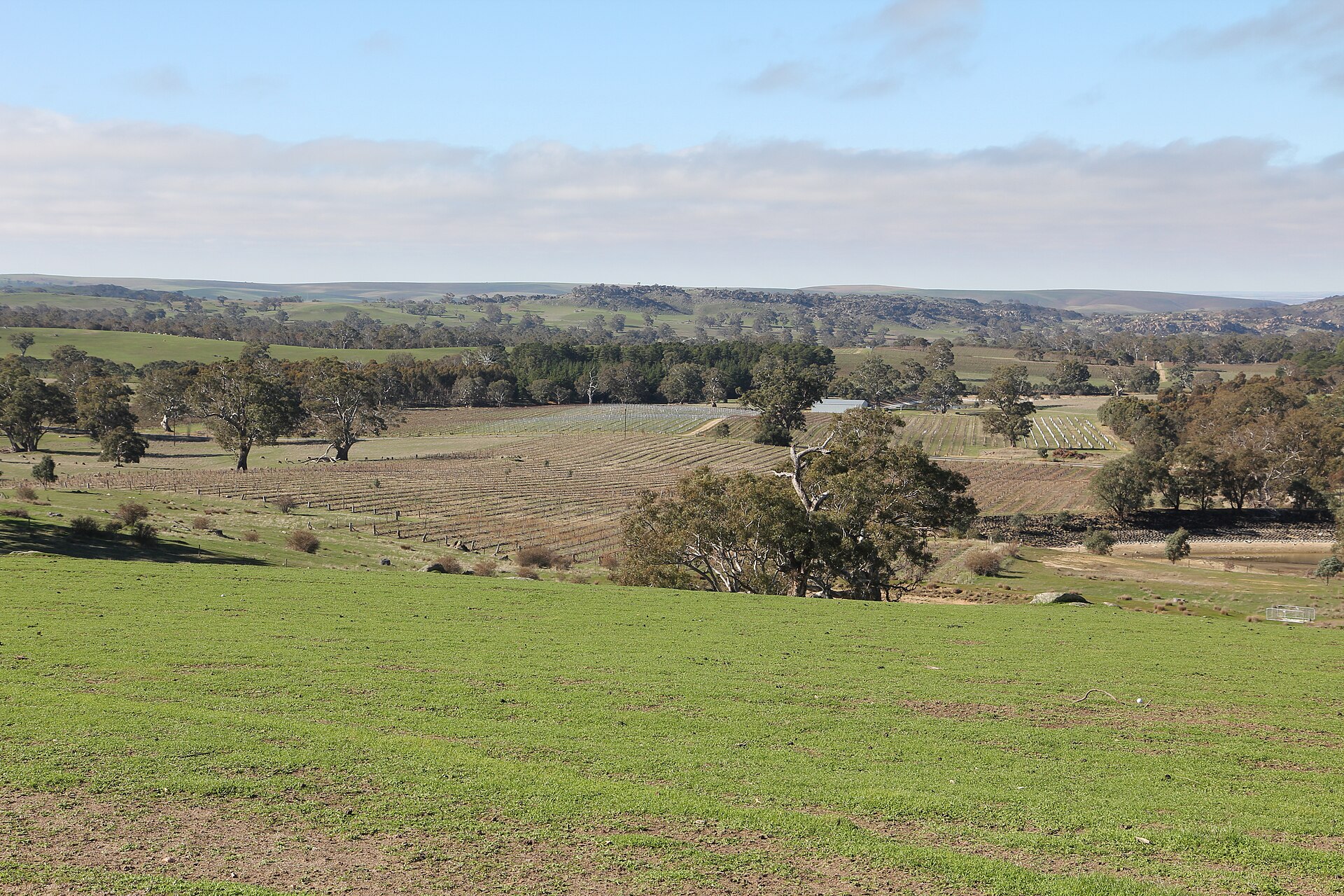
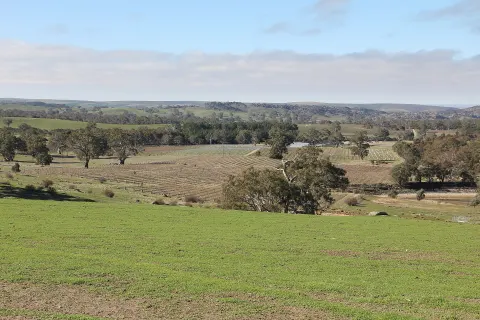
The Eden Valley sits a few hundred metres above the Barossa floor, and that altitude changes everything. Nights are colder, ripening is slower, and the grapes hold onto the natural acidity that gives riesling its spine. Add ancient, weathered soils over granite and quartz, and you have a recipe for wines of unusual precision.
Built to last
Young Eden Valley riesling is all lime, green apple and crushed stone - taut and bone-dry. But its real trick is time. Cellared for a decade or more, it develops the toasty, honeyed, kerosene-tinged complexity that riesling lovers chase across the world. Few Australian whites age so gracefully.
Producers like Poonawatta and Henschke show just how fine and long-lived these wines can be.
Taste the altitude
Next time you are in the Barossa, make the climb east into the Eden Valley and taste a riesling at the source. Against the warm, generous wines of the valley floor, its cool, mineral precision is a revelation - and a reminder that the Barossa zone contains multitudes.