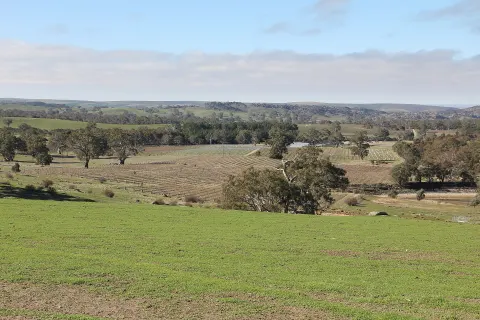
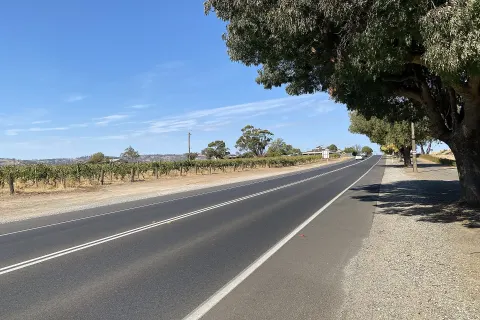
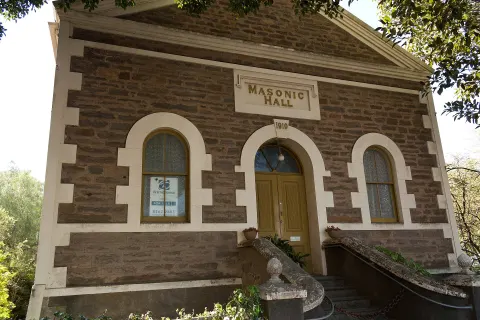
On the northern fringe of the Barossa, Kapunda was one of Australia's first great mining towns - copper discovered here in the 1840s helped fund the early colony of South Australia.
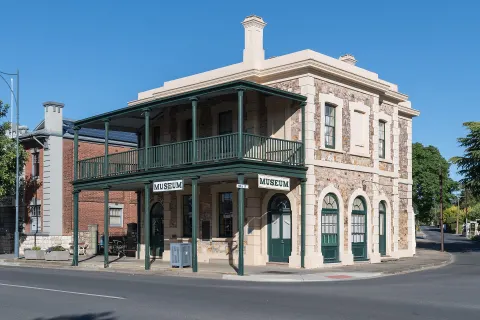
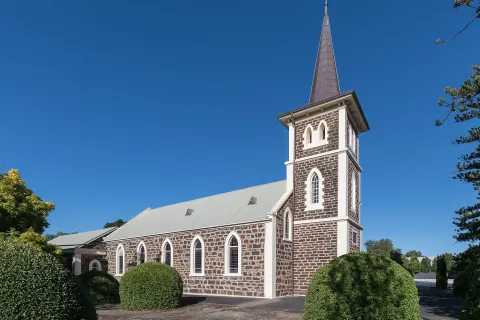
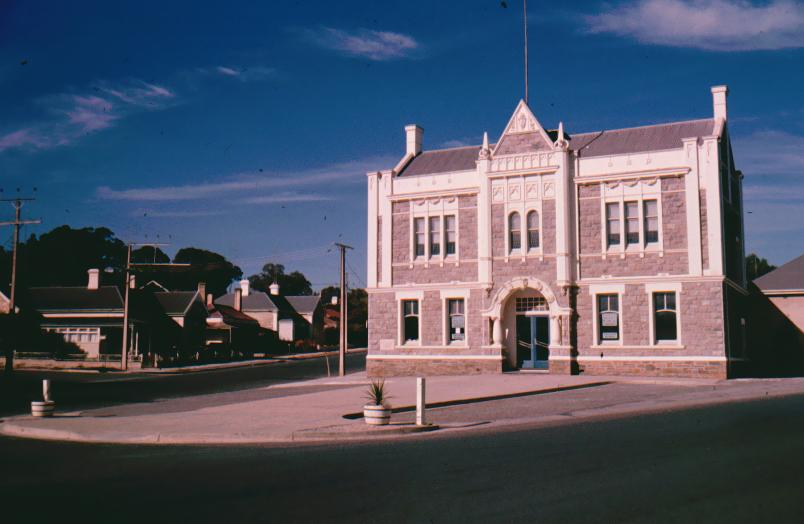
The town wears its history openly: a grand stone main street, the old mine site with its interpretive walking trail, and Map Kernow, the towering bronze miner statue that guards the southern approach. The Cornish heritage of the miners still echoes through the place.
It's an easy and rewarding heritage detour from the Barossa proper, with antique shops and cafés filling the historic streetscape.
Featured in
Got a photo of Kapunda?
Share your best shot. If we use it in the gallery, you'll be credited by name. Photos are reviewed before going live.
Last verified 8 August 2026 · source: Wikipedia - Kapunda, South Australia
Within a short drive
Other spots in Greenock
You might also like
Similar experiences across Barossa Valley
Kapunda - frequently asked questions
Why is Kapunda historically important?
Kapunda was the site of one of Australia’s first major copper discoveries, in 1842. The mine that followed became one of the country’s earliest significant mining operations, and its exports helped support the early economy of colonial South Australia.
What is the Map Kernow statue?
Map Kernow, meaning “Son of Cornwall”, is a large bronze statue of a Cornish miner at the southern entrance to Kapunda. It honours the Cornish miners who brought their hard-rock mining skills to the town.
How far is Kapunda from the Barossa Valley?
Kapunda sits on the northern edge of the Barossa region, roughly 15 to 20 minutes’ drive from Nuriootpa, making it an easy heritage detour from the main wine valley.
Can you visit the old Kapunda mine?
Yes. The historic mine site is open to the public with an interpretive walking trail and signage explaining the town’s copper-mining history.
Sources
- Wikipedia - Kapunda, South Australia (accessed August 2026)
Image credits
- Clare Castle Hotel, Kapunda 20250102-124439.jpg by RegionVisitor90 , CC0 via Wikimedia Commons