By The Discover the Barossa Team · · 5 min read
Wine country once rang with picks and shovels. The Barossa Goldfields drew thousands of diggers in 1868 - and today three quiet walking trails explore what they left.
The Barossa's fortunes were built on copper, wheat and wine - orderly industries, patiently compounded. But for one feverish season in 1868, the valley's southern hills hosted something altogether less orderly: a genuine gold rush.
The publican's nuggets
Job Harris kept the pub at Sandy Creek, and in 1868 he found small gold nuggets in the country beyond Cockatoo Valley, along the edge of the South Para River. News of gold travels at a speed all its own. Within the first week, two thousand diggers had rushed the field; within a few weeks, four thousand. A canvas-and-bark settlement sprang up among the hills at Victoria Hill, complete with stores, grog tents and all the improvised commerce of a rush.
A short, hard boom
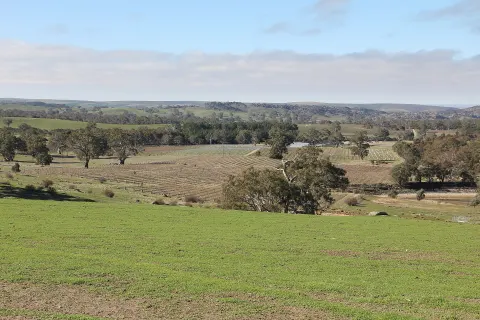
The Barossa field never produced a Ballarat. The gold was patchy, the water scarce, and the easily won alluvial metal gave out quickly, leaving hard-rock mining that demanded capital most diggers didn't have. The crowds thinned as fast as they had come, drifting back to the farms and the copper towns. The bush, with no particular hurry, took the field back - leaving shafts, mullock heaps and the stone footings of miners' cottages scattered through the scrub.
Walking the diggings
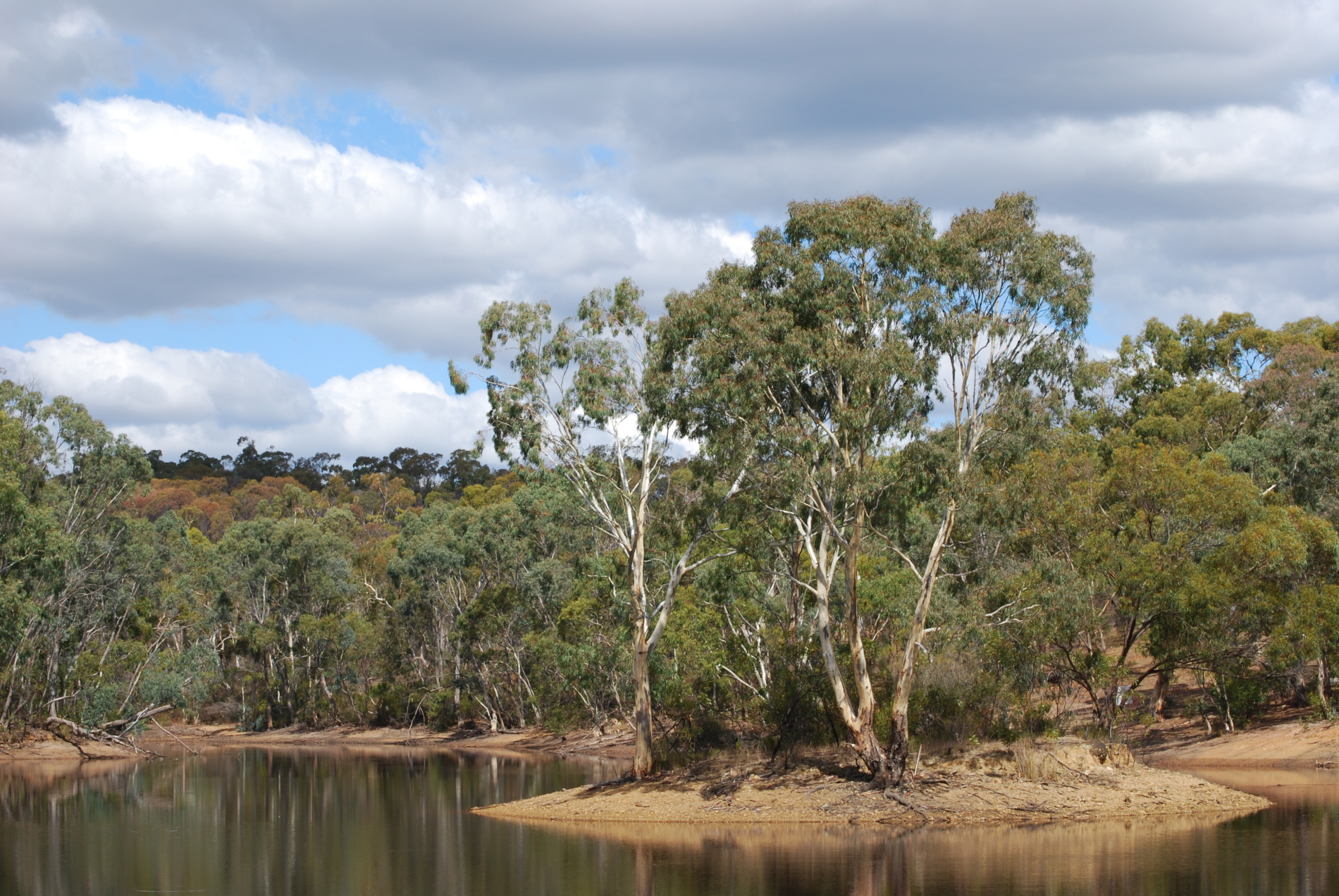
Today the Barossa Goldfields lie within the northern reaches of Para Wirra Conservation Park, and three signposted loop trails thread the old workings: the short Victoria Hill circuit (1.4 km), the Phoenix circuit (4.8 km) and the Lady Pearce circuit (5.8 km). Interpretive signs explain the geology, the mining methods and the people - and on a quiet weekday you will likely have the entire gold rush to yourself.
It is a strangely moving walk. The diggings are small, human-scaled holes, each one somebody's month of hope.
Make a day of it
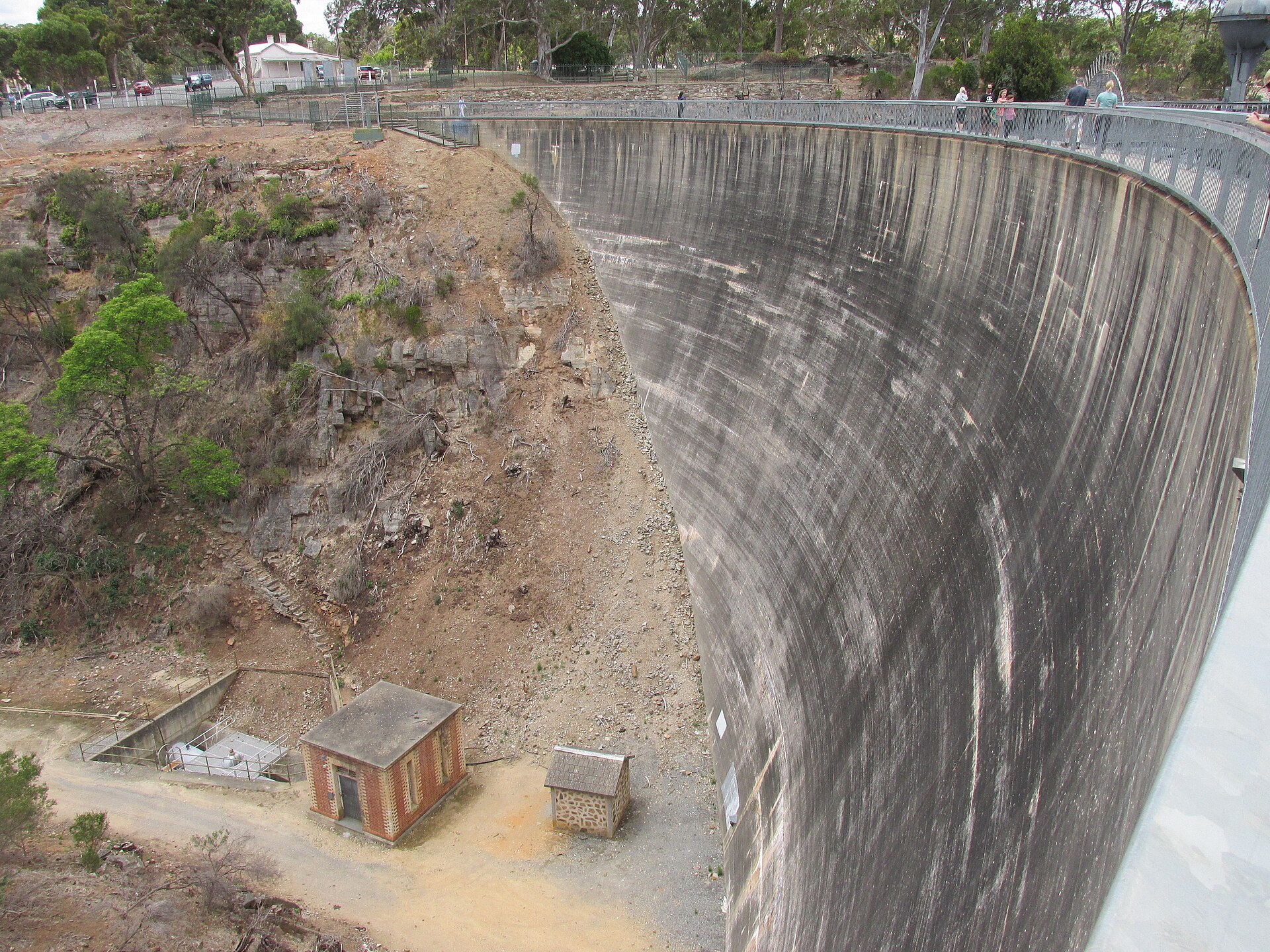
The goldfields anchor a perfect southern-Barossa loop. Start with the curve of the Whispering Wall - whisper at one end, be heard clearly 140 metres away - then walk the diggings, and finish with a late lunch in Williamstown. Birdwatchers can add Sandy Creek Conservation Park, fittingly close to where Job Harris pulled beers before he pulled nuggets.
And if mining history gets its hooks into you, the other half of the story waits on the valley's northern edge - read how copper built Kapunda, the rush that actually paid.