Walking & Hiking
Trails through vines and gum-studded hills
The best walking & hiking in Barossa Valley
Walking trails, sculpture paths and lookouts that reveal the valley's landscapes on foot.
Lace up your boots and the Barossa reveals a quieter side, away from the cellar doors and out among the gum trees, vineyards and granite ridges. The valley offers everything from flat, pram-friendly strolls to genuine bushwalks with valley views as a reward.
For rugged country, head to Kaiserstuhl Conservation Park in the hills east of the valley, where trails wind through stringybark forest, or the granite gorges of Para Wirra on the southern edge. Closer to town, the Barossa Sculpture Park loop above Tanunda combines art with one of the region's best lookouts. Linear creekside paths at Nuriootpa and Tanunda make easy, shaded options.
Many walks link to the valley's wildlife and nature spots, so keep an eye out for kangaroos, echidnas and native birds. Carry water, especially in summer, and start early to beat the heat.
Browse walking & hiking by area
30 places
Tanunda Heritage Walk
A self-guided stroll through the valley’s German heart
Tanunda Soldiers Memorial Gardens
A leafy riverside park in the centre of Tanunda, with lawns, shade trees and walking paths beside the North Para River.
The Barossa Trail
A 40 km sealed cycling and walking path linking Gawler, Lyndoch, Tanunda, Nuriootpa and Angaston through vineyard country.
Totness Recreation Park
Quiet loop walks through native woodland and around small dams on the edge of Mount Pleasant, at the Barossa's southern rim.
Truro
The Barossa's eastern gateway on the Sturt Highway - an 1848 township with a heritage walk, stone pubs and a walking-trail spur past an old copper mine.
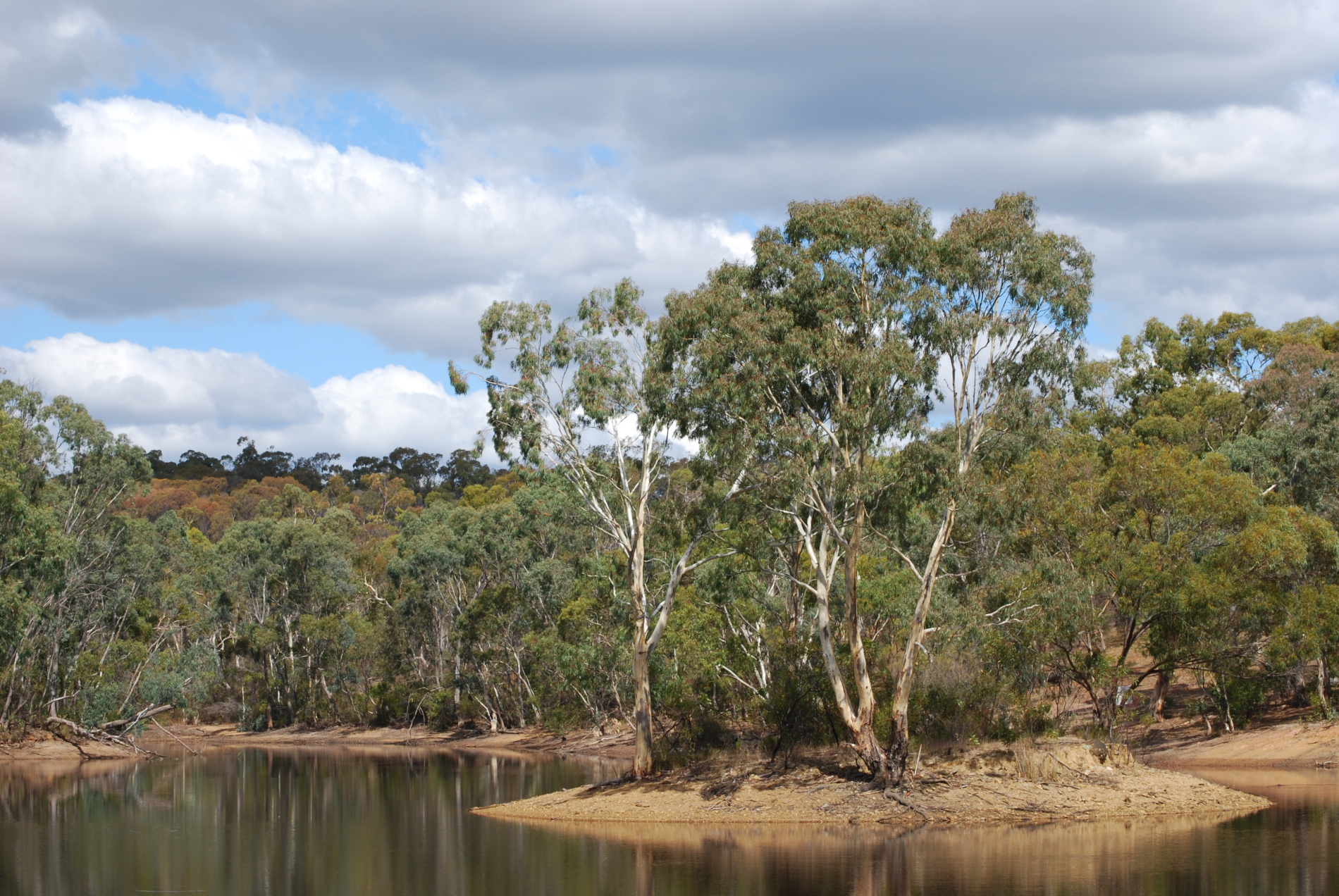
Warren Reservoir
A peaceful reservoir reserve for walks and waterbirds
Walking & Hiking in Barossa Valley - frequently asked questions
What is the Barossa known for when it comes to walking and hiking?
The Barossa pairs gentle valley-floor paths with rugged bushwalks in the surrounding ranges, so you can swap cellar doors for gum trees, vineyards and granite ridges. Signature outings include the panoramic Mengler Hill Lookout with its Barossa Sculpture Park, the bush trails of Kaiserstuhl Conservation Park, and the long, flat Barossa Trail that links the wine towns. Many walks reward you with views straight out over the famous Shiraz vineyards.
Which are the best walks in the Barossa Valley?
For an easy, scenic highlight, head to Mengler Hill near Bethany, where a short gravel path winds between stone sculptures to one of the valley's best lookouts. For a proper bushwalk, Kaiserstuhl Conservation Park, about 12 km south-east of Tanunda, has the gentle Stringybark loop and the longer Wallowa Hike. Other favourites include the Mengler Hill Sculpture Trail, Barossa Goldfields and the Barossa Bushgardens.
How long is the Barossa Trail and is it suitable for families?
The Barossa Trail is a roughly 40 km sealed walking and cycling path running from Gawler to Angaston via Lyndoch, Rowland Flat, Tanunda and Nuriootpa. With gentle gradients and a flat, sealed surface following the North Para River, it is well suited to families, prams and casual walkers, and you can tackle just one town-to-town section rather than the whole route. Cellar doors, cafes and rest stops dot the way.
Can I bring my dog walking in the Barossa?
It depends on where you walk. Dogs are not permitted in conservation parks such as Kaiserstuhl, in line with South Australia's national park rules, though certified assistance dogs are welcome. On open public paths like the Barossa Trail and at reserves around the towns dogs are generally fine on a lead, but always check signage at each spot before you set out.
When is the best time of year for walking and hiking in the Barossa?
Autumn (March to May) and spring (September to November) are the pick of the seasons, with mild temperatures comfortable for walking. Autumn brings golden, harvest-time vines, while spring greens up the hills and brings wildflowers to the conservation parks. Summer can climb above 35 degrees, so start early and carry plenty of water if you walk in the warmer months.