

By Margot Keller · · 5 min read
Phylloxera never reached the Barossa, leaving it with a living museum of 150-year-old vines - and a flavour you can taste.
A vineyard that escaped catastrophe
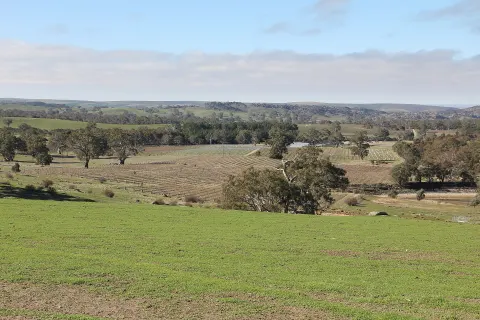
In the late nineteenth century, the louse phylloxera tore through the vineyards of Europe and much of the world, destroying ancient plantings almost overnight. South Australia, protected by strict quarantine and good fortune, escaped. The Barossa has never had a phylloxera outbreak, and as a result it shelters some of the oldest continuously producing grapevines anywhere on the planet.
Reading the register
The valley takes this so seriously that it created the Barossa Old Vine Charter, a tiered system that recognises Old Vines (35 years and up), Survivor Vines (70+), Centenarian Vines (100+) and Ancestor Vines (125+). Langmeil's Freedom vineyard, planted in 1843, and Turkey Flat's vines from the 1840s sit at the very top of that ladder.
What age tastes like
Old vines yield less fruit, but what they give is concentrated and balanced. Their deep roots ride out hot summers and dry spells, and the wines tend toward density without heaviness - the savoury, structured Shiraz the Barossa is famous for. When you taste an old-vine bottling here, you're drinking history that never had to be replanted.