Bluestone churches, kuchen and family wineries: the story of the German Lutherans who built the Barossa.
The Barossa's distinctive character owes much to the German-speaking Lutheran immigrants who settled the valley from the late 1830s and 1840s. Fleeing religious persecution in Prussia, they were sponsored to South Australia by figures including George Fife Angas and established close-knit farming communities along the valley floor.
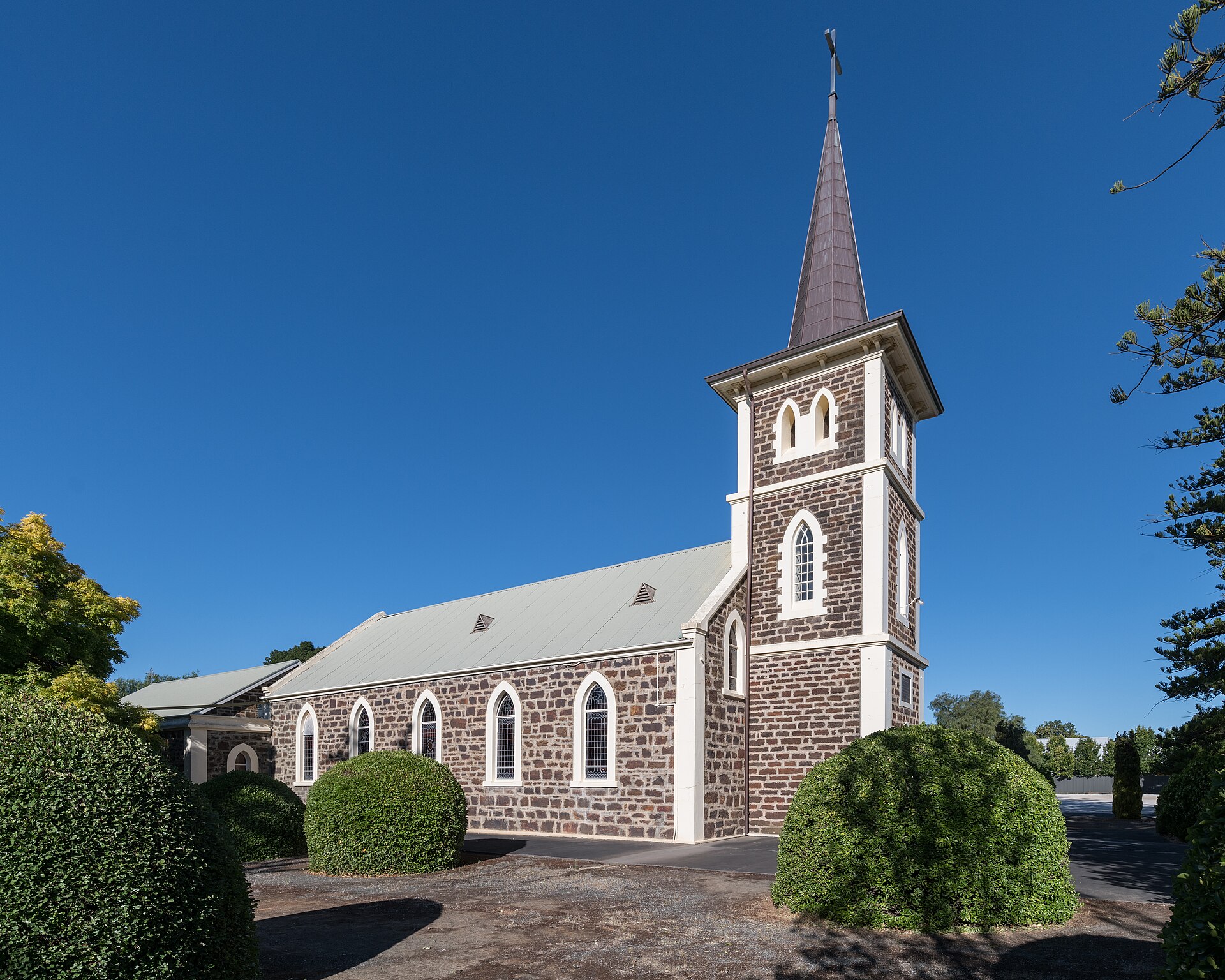
Their legacy is visible everywhere. Towns such as Tanunda, Bethany and Langmeil grew around bluestone Lutheran churches, several of which still hold services. The settlers laid out their villages in the traditional German hufendorf pattern, with narrow farm strips running back from the road, and gave the landscape names that endure today.
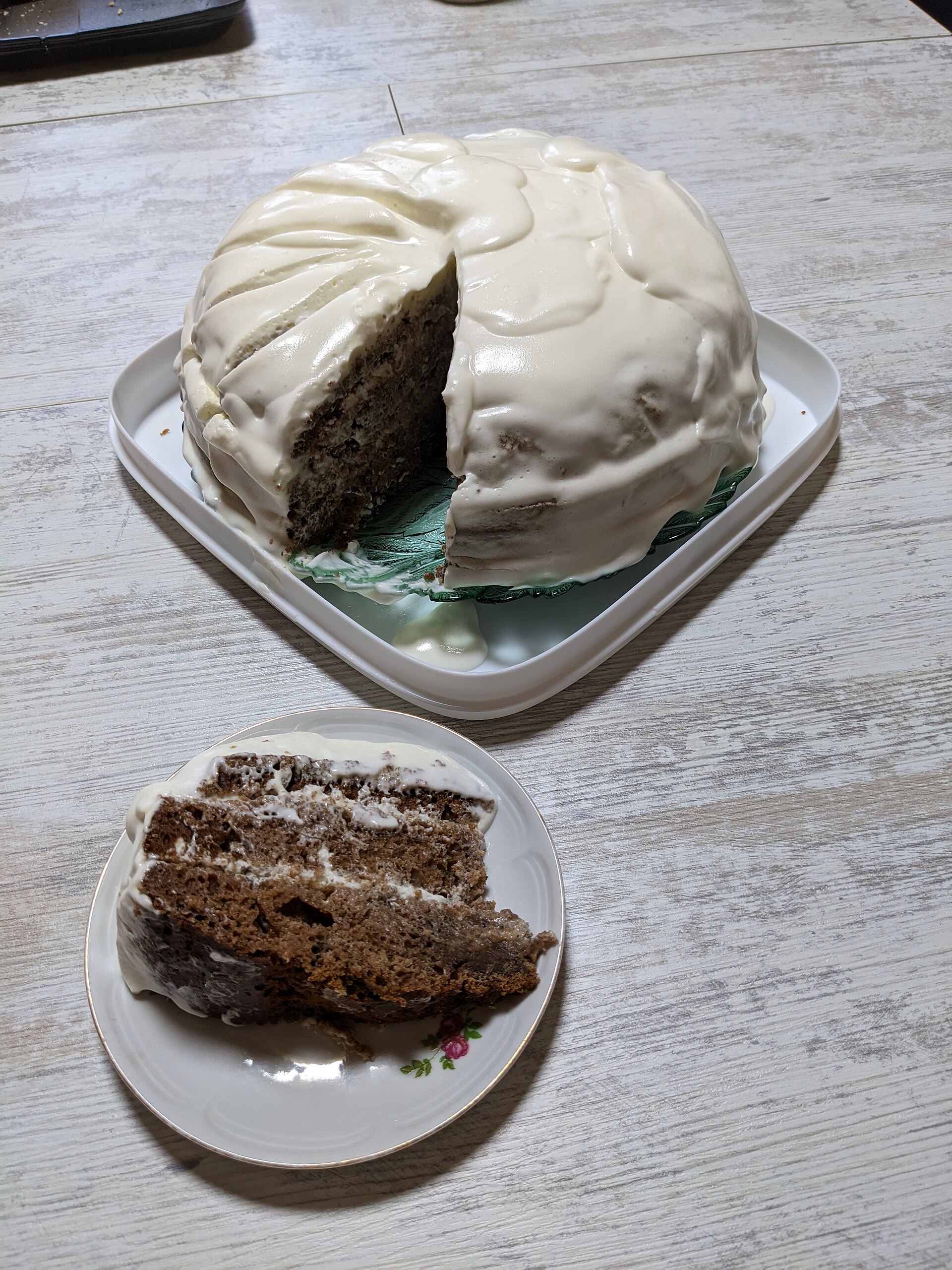
Food and language carried through the generations. Barossa bakeries still produce German breads, mettwurst and kuchen, the cinnamon-and-fruit cake found across the valley. A regional dialect known as Barossa Deutsch survived well into the 20th century, and Germanic surnames remain common among the families who still farm the land and make the wine.
Winemaking itself was part of this inheritance. Many of the valley's most celebrated estates, including Henschke and Yalumba, trace their roots to these early families and remain in family hands generations later.
Visitors can trace the heritage through the churches of Tanunda, the museum collections of the valley, and simply by ordering a slice of kuchen at a country bakery. It is a living history, not a preserved one, and it remains central to what makes the Barossa feel like nowhere else in Australia.