


Wildlife & Nature
Conservation parks and native bushland
The best wildlife & nature in Williamstown
Conservation parks, bushgardens and reserves where the Barossa's native flora and fauna thrive.
Read our guide to wildlife & nature ↓Browse wildlife & nature by area
About wildlife & nature in Barossa Valley
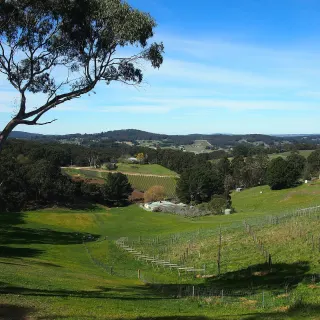
Beyond the manicured vineyards, the Barossa is fringed by pockets of native bushland that shelter kangaroos, echidnas, koalas and a rich variety of birdlife. These reserves offer a peaceful counterpoint to a day of tasting.
The conservation parks ringing the valley are the best places to encounter wildlife. Kaiserstuhl in the eastern hills and Para Wirra to the south both teem with kangaroos at dawn and dusk, while the Barossa Bushgardens near Nuriootpa showcase the indigenous plants that once covered the valley floor. The bushland reserve around the Barossa Reservoir is another reliable spot for birds and roos.
Many of these places double as walking and hiking destinations, so you can combine a nature walk with a picnic. Visit in the cooler hours for the best wildlife sightings, and tread lightly to protect these fragile habitats.
Wildlife & Nature in Barossa Valley - frequently asked questions
What wildlife and nature spots is the Barossa Valley known for?
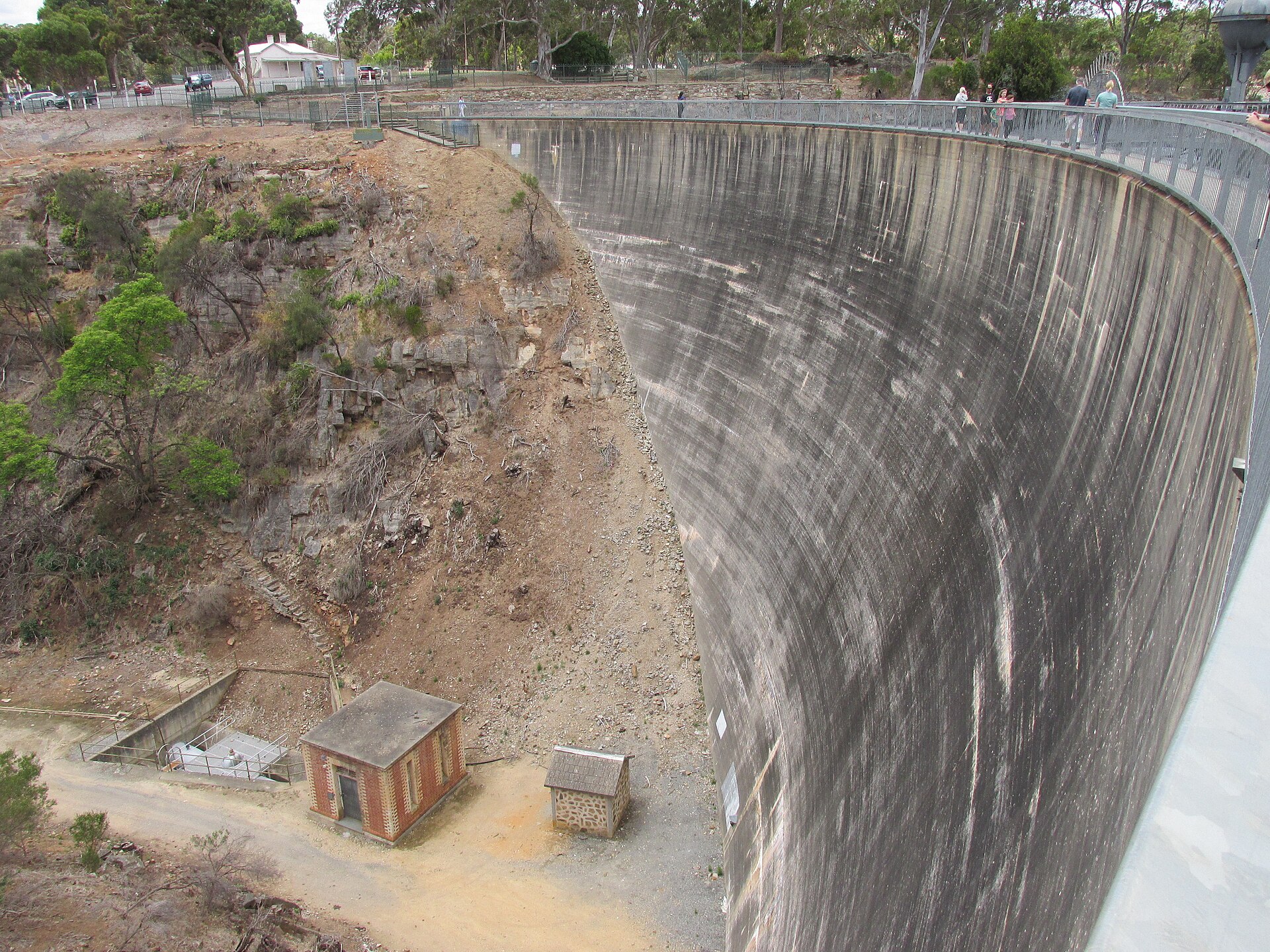
Beyond the vineyards, the Barossa is ringed by conservation parks and native bushland that shelter Western grey kangaroos, echidnas, koalas and rich birdlife. Kaiserstuhl Conservation Park southeast of Tanunda is the best known, with walking trails through stringybark forest and grassland, while the Whispering Wall at the Barossa Reservoir Reserve and the Barossa Bushgardens at Nuriootpa are popular nature stops closer to the cellar doors.
Where are the best places to see kangaroos near the Barossa?
Kaiserstuhl Conservation Park is one of the most reliable spots, with Western grey kangaroos often grazing in the open grasslands along the Stringybark and Wallowa hikes. Para Wirra Conservation Park, on the valley's southern edge, also supports a large kangaroo population along with more than 120 recorded bird species, so quiet walking on the tracks usually rewards you with sightings.
Do you have to pay to enter the Barossa's conservation parks and reserves?
It varies by park. Kaiserstuhl Conservation Park, the Whispering Wall at the Barossa Reservoir Reserve and the Barossa Bushgardens are all free to enter, while Para Wirra Conservation Park charges a vehicle day-entry fee. None generally require booking for a casual visit, though it is worth checking the National Parks SA website before you go, as parks can close for fire bans or pest-control programs.
Can I bring my dog to the Barossa's nature reserves?
Policies differ between parks, so always check first. Dogs are not permitted in Kaiserstuhl Conservation Park, but they are allowed at Para Wirra Conservation Park provided they stay on a lead and on designated walking trails. Assistance dogs are welcome across South Australia's parks, and the Barossa Bushgardens is a more relaxed, family-friendly option for a gentle stroll.
When is the best time to visit the Barossa for wildlife and wildflowers?
Early morning and dusk are the best times to spot kangaroos and other native animals, when they come out to graze and the heat of the day has eased. Spring is the standout season for nature lovers, with native wildflowers blooming across the conservation parks and bushgardens, and milder temperatures making the walking trails far more comfortable than in summer.