How a grape the valley nearly pulled out of the ground became one of its most exciting wines.
From afterthought to star
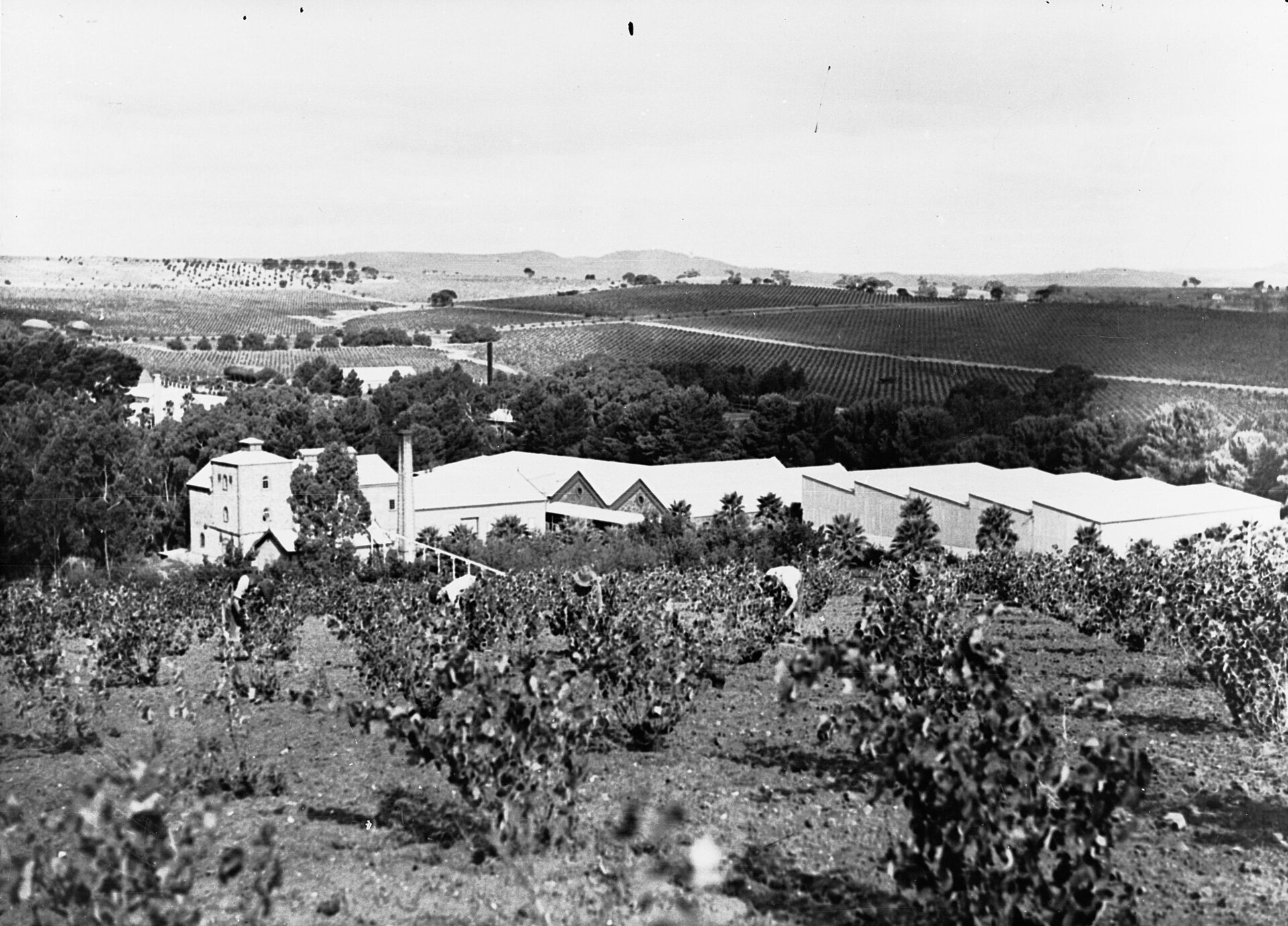
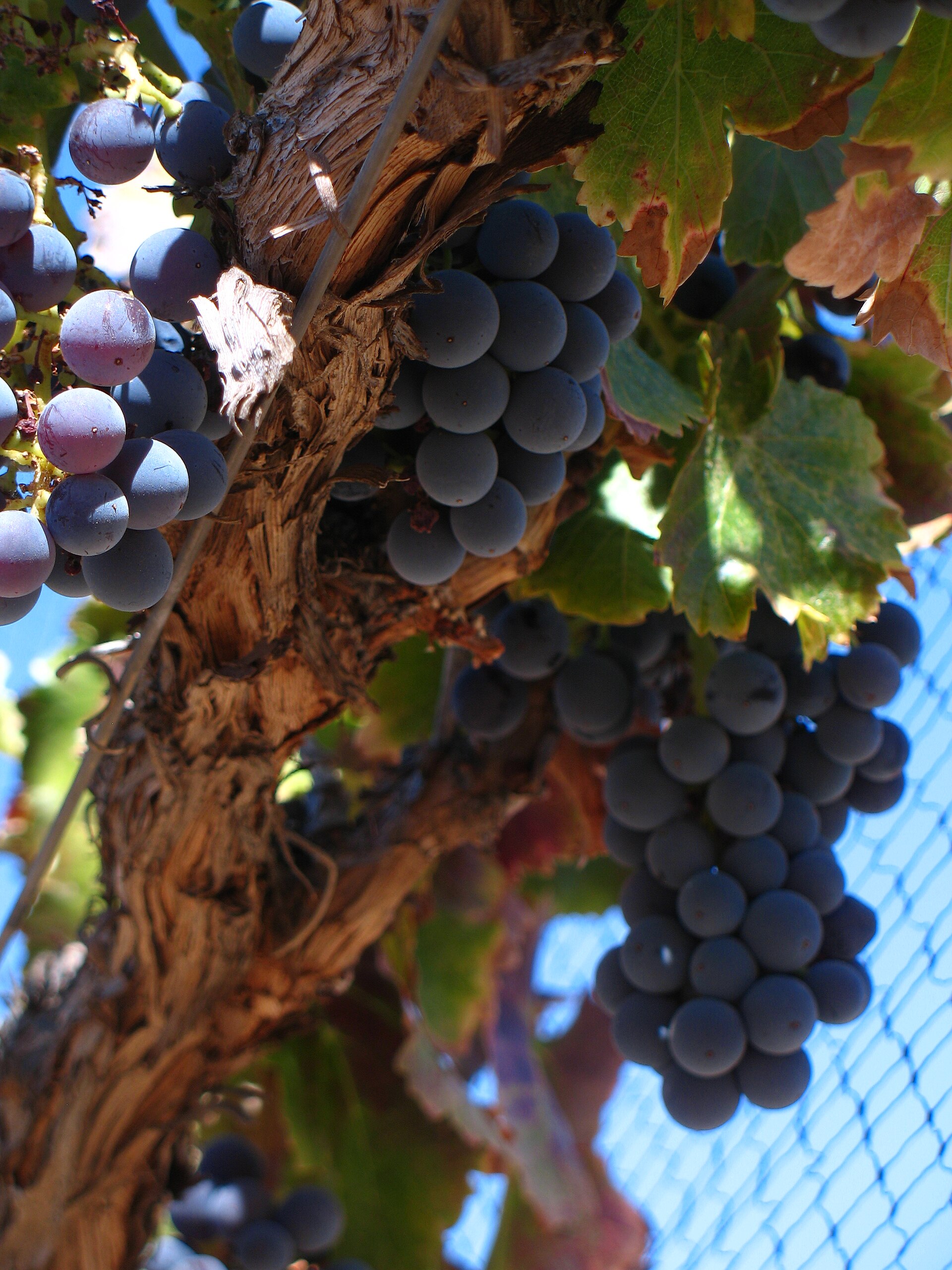
For most of the twentieth century, grenache was the Barossa's workhorse - bulk-fortified, blended away, and in the vine-pull schemes of the 1980s, very nearly grubbed out altogether. It survived almost by accident, clinging on in old dry-grown bush-vine blocks that nobody could quite be bothered to remove.
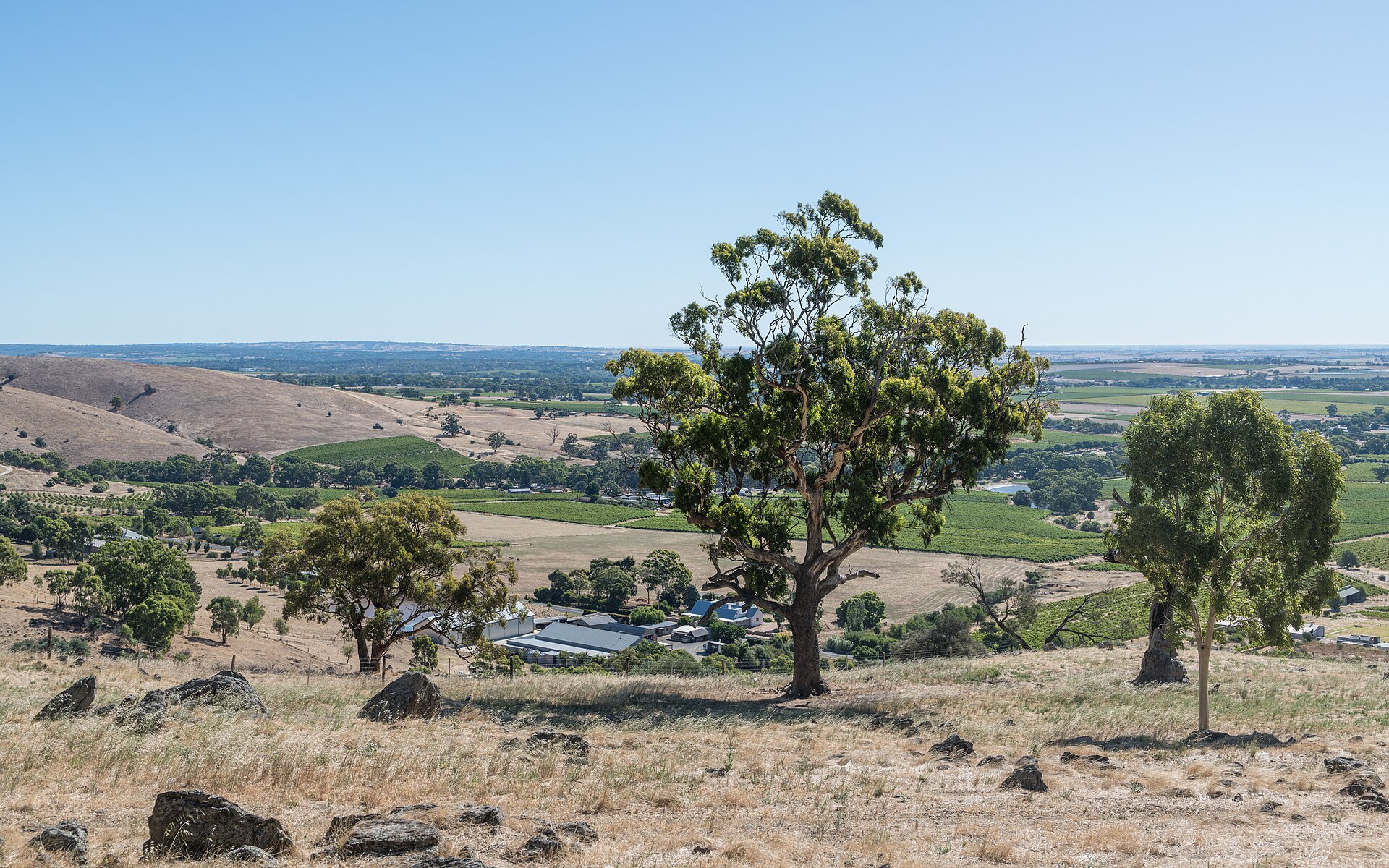
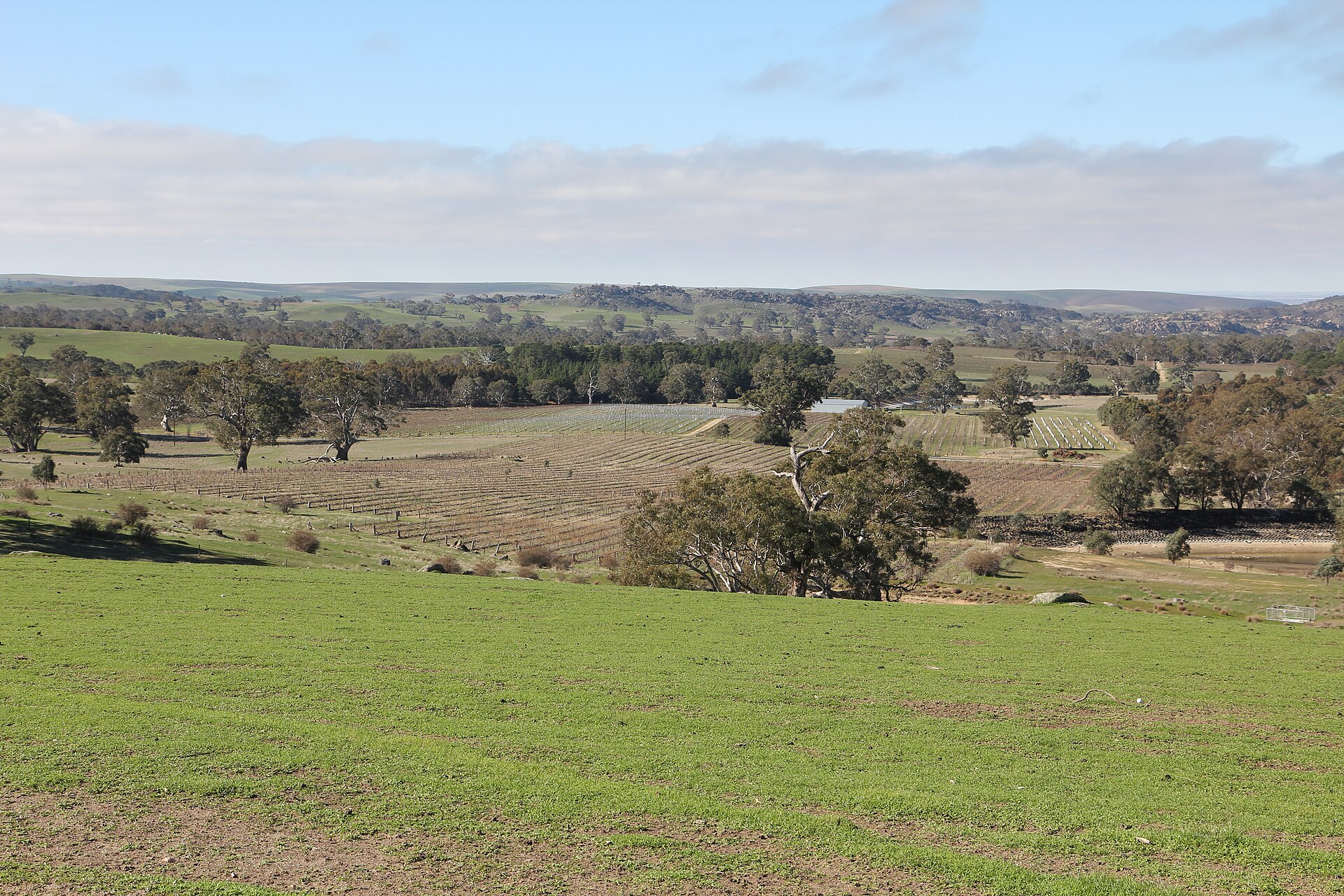
Those survivors turned out to be treasure. The Barossa holds some of the oldest grenache vines on earth, and a generation of winemakers has finally learned to read them.
A lighter hand
The shift has been as much about the cellar as the vineyard. Where grenache was once picked late and pushed for power, the new wave picks earlier, handles the fruit gently and lets the grape's natural perfume and red-fruit lift come through. The results are fresher, more savoury and unmistakably of place.
Producers like Yelland & Papps have built reputations on exactly this approach, and the old guard has followed.
Where to taste it
To understand the change, taste old and new side by side: a traditional Barossa grenache against one of the newer, lighter expressions. The grape is the same; the philosophy could not be more different. Either way, the Barossa's quiet star is finally getting the billing it deserves.