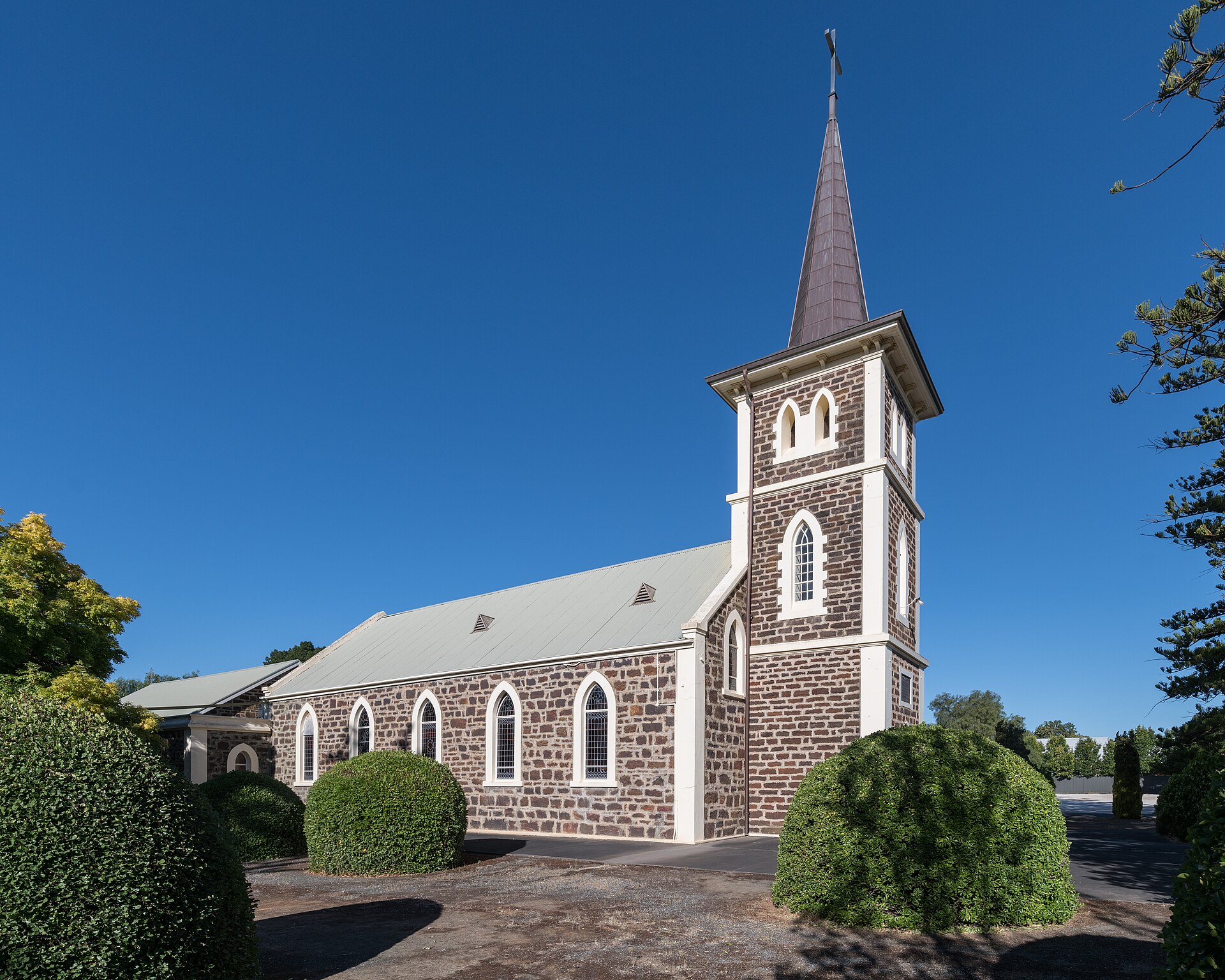
Barossa Heritage and History Loop
Stone churches, the valley's first settlement and a grand colonial homestead - a day tracing how the Barossa came to be.
The plan
The Barossa's landscape was shaped by two forces: Silesian-German settlers fleeing religious persecution in the 1840s, and the English pastoralists who came for the land. This loop traces both, from the humblest cottage to the grandest homestead.
Start where it all began, in the ribbon village of Bethany - the valley's first German settlement - and the hilltop Bethany Wines above it. Drop in to the Langmeil church and cemetery at Tanunda - landmarks of a community built around faith.
The other side of the story
Swing east to Angaston, the Angas family's town, where 1850s stone streetscapes and the town heritage walk tell the pastoral side of the story - a different vision of the Barossa entirely. Finish with a wander up Angaston's heritage main street and a look at the old Angaston Railway Station, which tied the valley to the wider world.
It is a day that explains why the Barossa looks and tastes the way it does.
Day 1
3 stops-
1
-
2
-
3
On the map
More like this
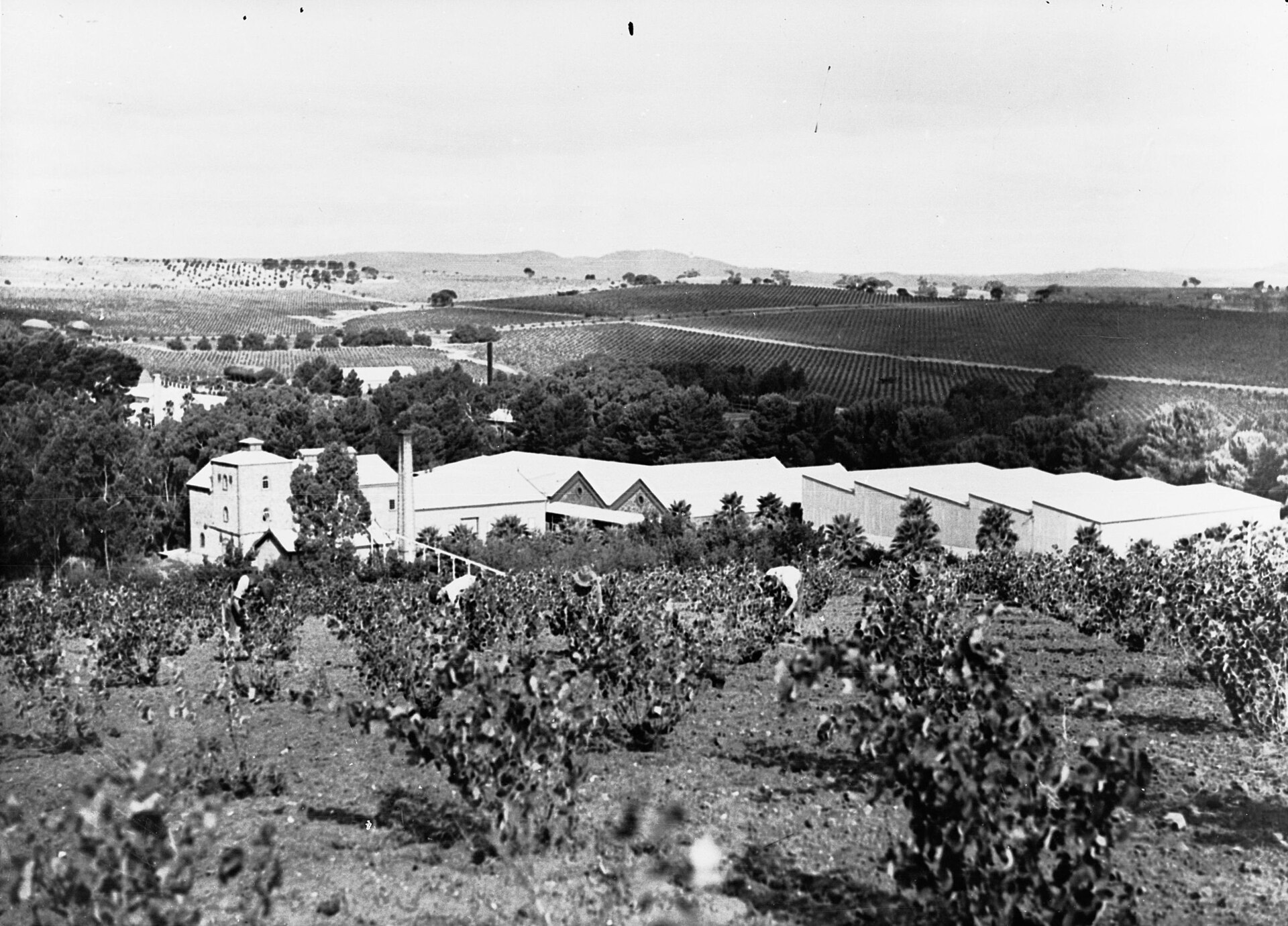 Top 10
Best Things to Do in Barossa Valley
A hand-picked guide to the Barossa's must-do experiences - historic wineries, Maggie Beer's farm eatery, the Whispering Wall, hilltop sculpture walks and the region's best local produce.
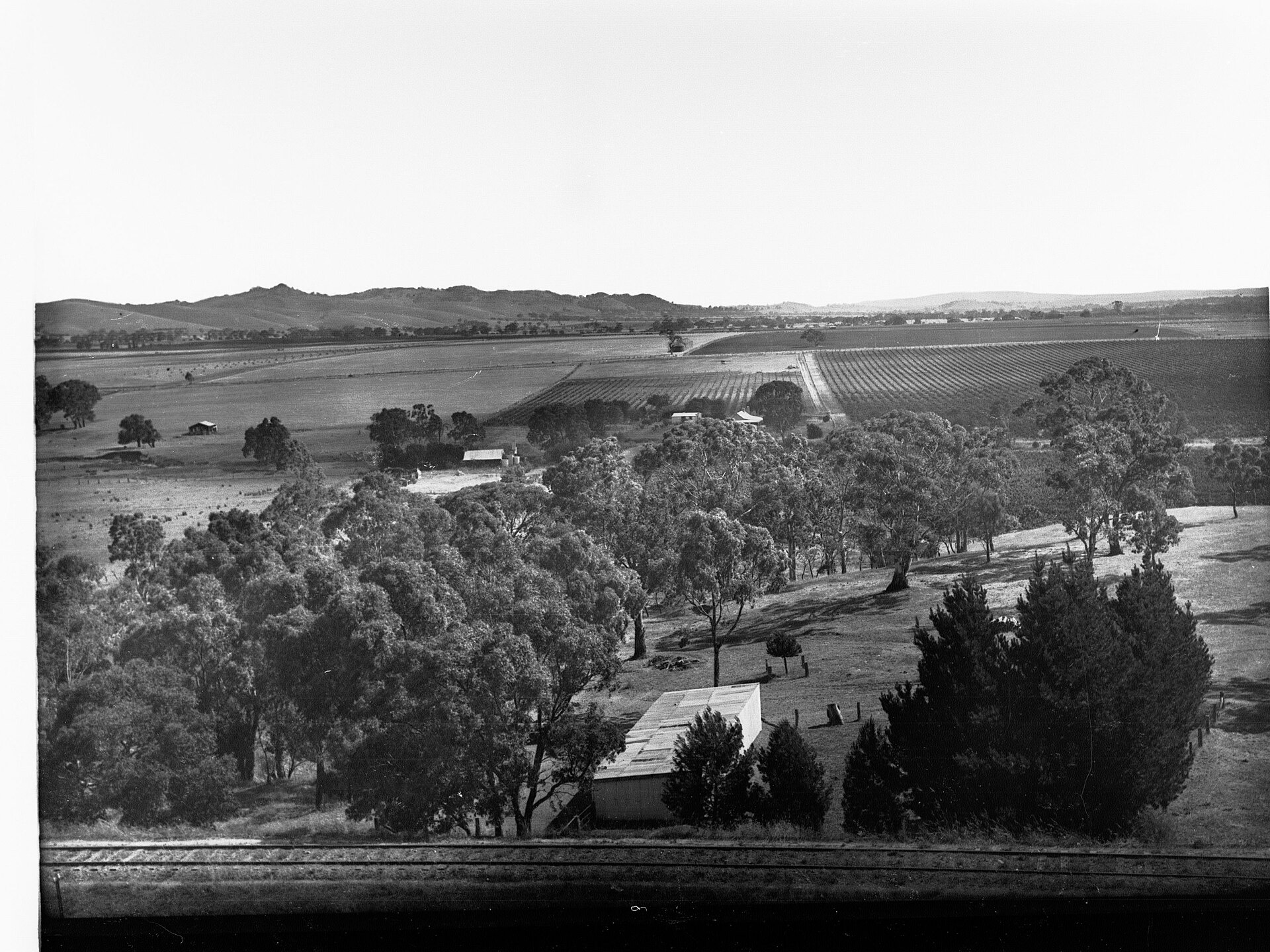 Top 10
Barossa heritage highlights
The historic places that tell the Barossa's story - from Lutheran churches to a homestead, a famous wall and an old gum.
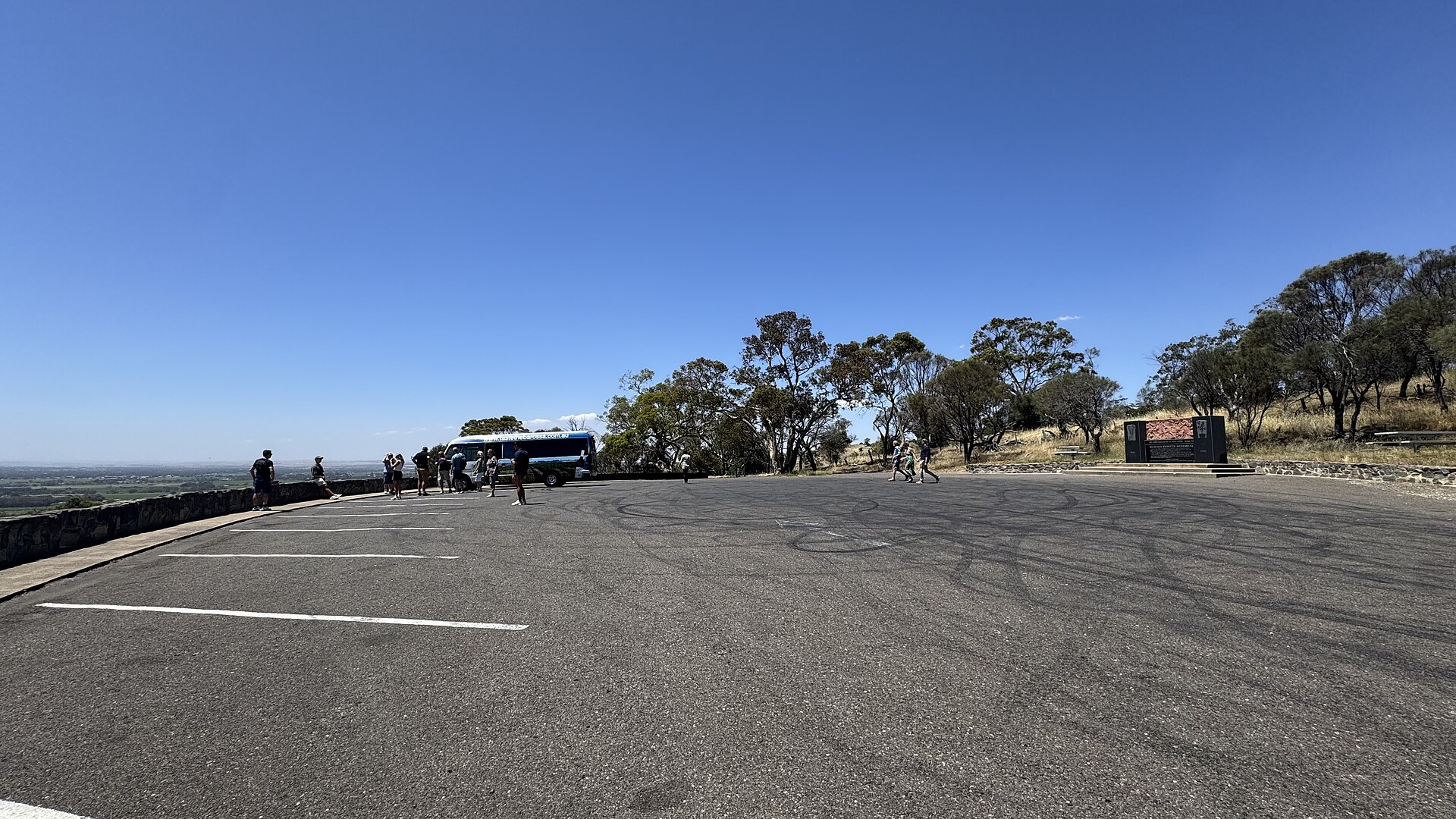 Top 10
The Prettiest Lookouts and Views in the Barossa
The Barossa is at its most beautiful from above. These are the lookouts and high points worth chasing the light for.
Image credits
- Saint John's Lutheran Church, Tanunda, West view 20230207.jpg by User:DXR , CC BY-SA 4.0 via Wikimedia Commons