


By The Discover the Barossa Team · · 6 min read
The Barossa is framed by a ring of wild places - conservation parks, forest reserves and bush reserves where kangaroos outnumber tourists. Here's where to find them.
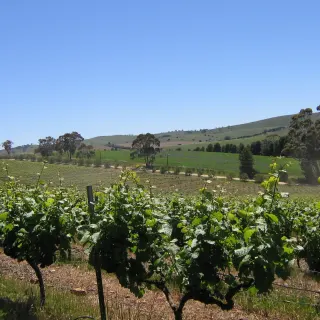
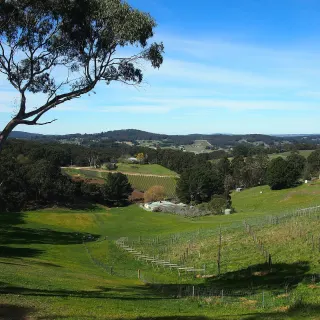
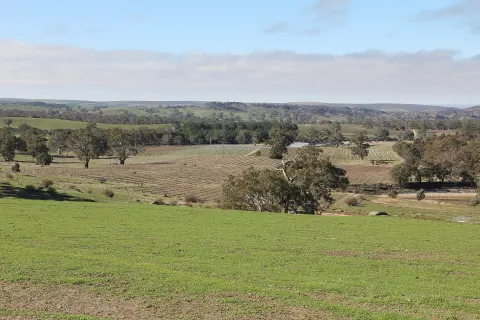
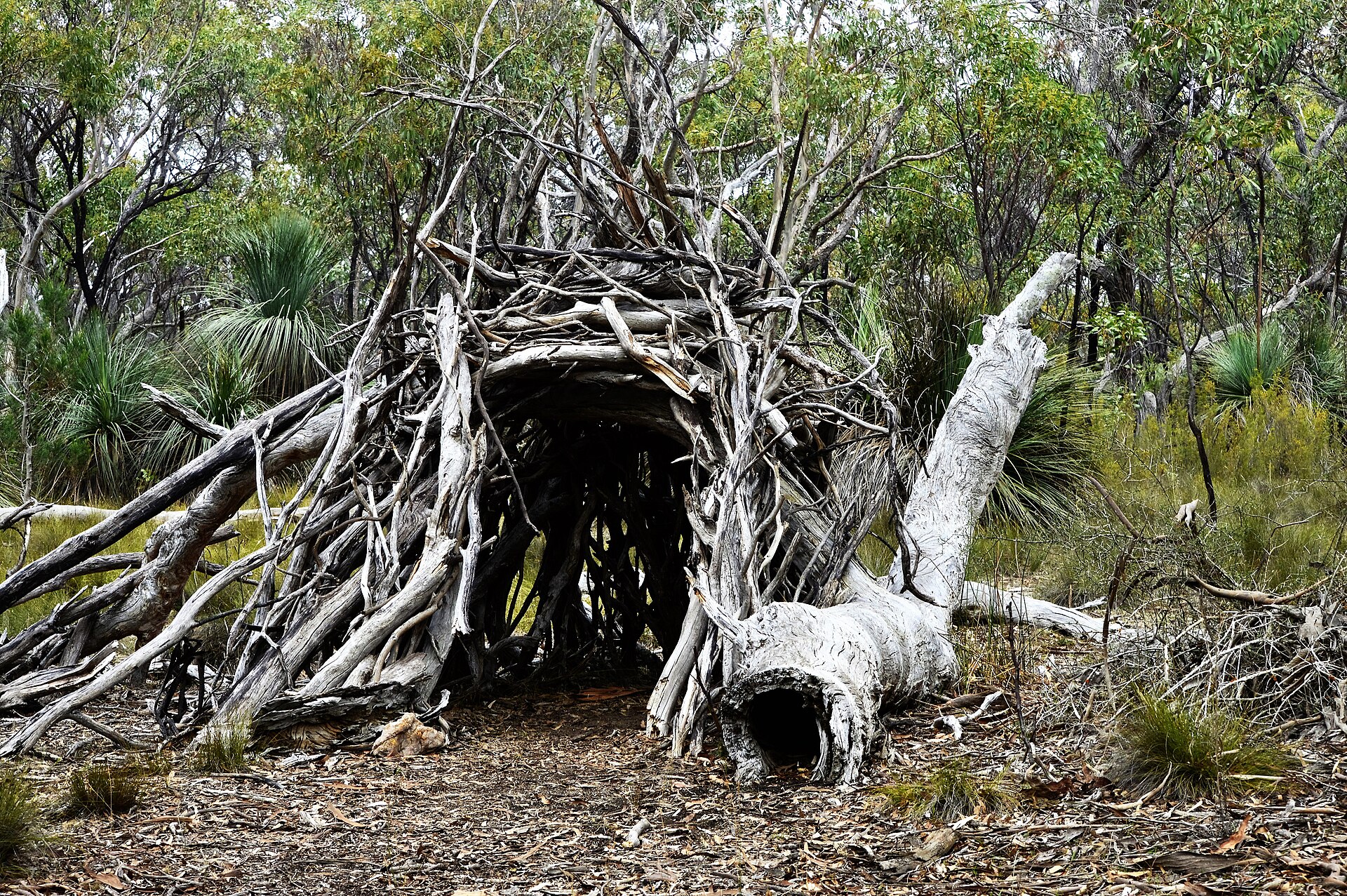
Look at the Barossa from any lookout and you'll see two landscapes. On the valley floor, the human one: vine rows, steeples, the grid of roads. And around its rim, a darker green - ridgelines of eucalypt and pine where the original country still holds. That ring is the wild Barossa, and it is absurdly easy to reach.
The eastern wall
Above Tanunda, Kaiserstuhl Conservation Park protects the high stringybark country of the eastern ranges. Its loop trails climb through bush that erupts with orchids and wattle in spring, and western grey kangaroos graze the clearings in numbers that make counting pointless. Go early, when the valley below is still under mist.
The southern hills
The country behind Williamstown is the richest of all. Hale Conservation Park packs rocky lookouts, a seasonal waterfall and old mica diggings into one four-kilometre circuit. Next door, the vast Mount Crawford Forest Reserve mixes native woodland with working pine plantation across more than 12,000 hectares - the Heysen Trail runs through, and its campgrounds are the cheapest beds in the Barossa.
Further south again, Para Wirra Conservation Park adds gorges, kangaroos, emus and the relics of an 1868 gold rush you can walk through on signposted trails.
The valley floor's last remnant
The most precious park is the least dramatic. Sandy Creek Conservation Park near Lyndoch preserves almost the last fragment of the sandy lowland woodland that once covered the valley floor - native pine, pink gum and heath on old dunes. More than 130 bird species have been recorded here, headlined by diamond firetails, finches so neatly painted they look factory-fresh. For birdwatchers it is the best hour in the Barossa.
Wild, but make it convenient
You don't even have to leave town. On Nuriootpa's edge, the volunteer-built Barossa Bushgardens showcase the region's native plants in a few strollable hectares - a cheat sheet for everything you'll see on the trails, labelled.
The pattern across all of them: go at the edges of the day, carry water, and expect to meet more kangaroos than people. Spring delivers wildflowers and birdsong; autumn delivers still, golden walking weather. And almost all of them are free to enter (Para Wirra charges a vehicle fee) - they anchor our list of the best free things to do in the Barossa for good reason.