


By The Discover the Barossa Team · · 5 min read
The Barossa Trail runs 40 sealed kilometres from Gawler to Angaston through the heart of the valley. Here's how to ride it, where to stop, and why it beats the car.
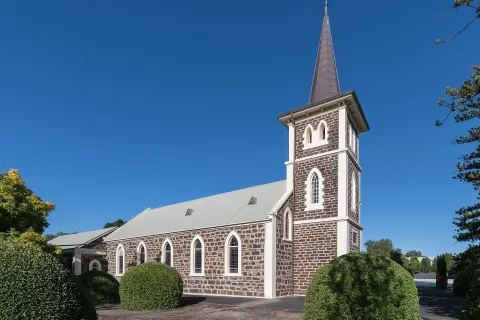
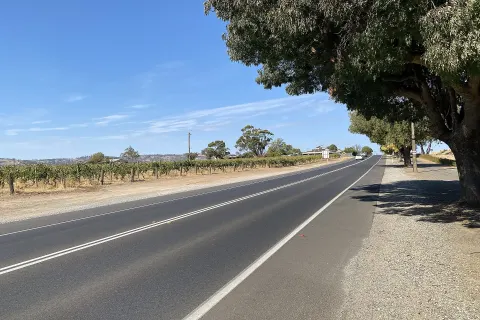
The Barossa makes a persuasive argument against the motor car. Distances are short, gradients are gentle, and every few kilometres something - a cellar door, a bakery, a church on a rise - asks you to stop. A bicycle obliges. A car just finds the next car park.
The trail
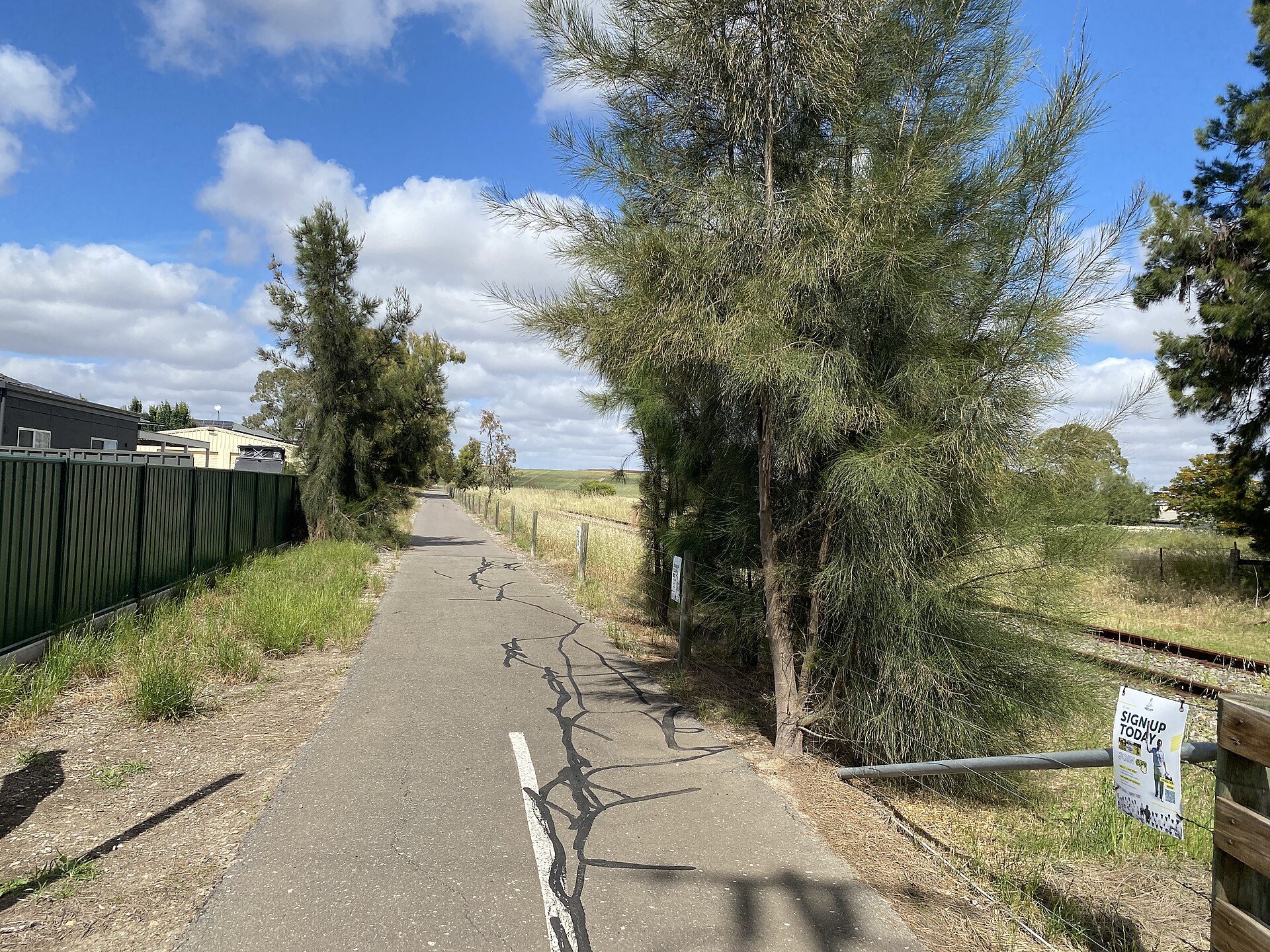
The Barossa Trail is the valley's answer: roughly 40 kilometres of sealed, car-free path running from Gawler through Lyndoch, Tanunda and Nuriootpa to Angaston, much of it along the old railway corridor. The first stage opened in May 2014 - riders of a certain vintage still call the Gawler–Tanunda leg the Jack Bobridge Track - and the route now links the valley's main towns end to end.
Because it follows rail grades, the riding is honest. Families with young kids, couples on hired e-bikes and lycra-clad squadrons all share it happily, and you are never more than half an hour from coffee.
South to north, with stops
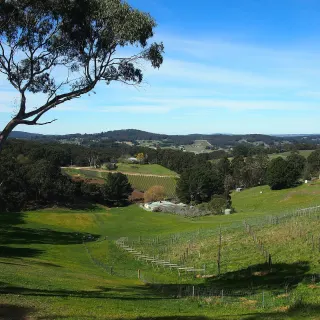
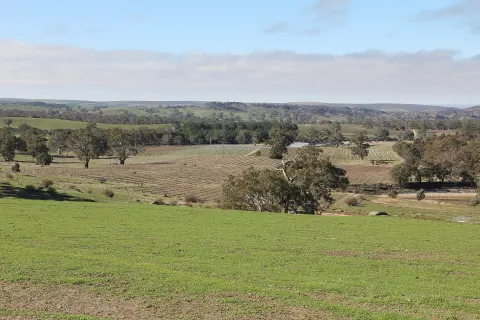
Starting from the southern end, the trail climbs almost imperceptibly through grazing country into Lyndoch, where the bakery has been fuelling riders for years. Near Sandy Creek, birdwatchers can detour into Sandy Creek Conservation Park, home to diamond firetails and more than 130 recorded species.
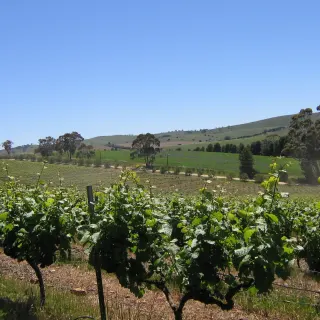
From Lyndoch the vines close in. The path slips past Rowland Flat and the Jacob's Creek Visitor Centre - a sensible first tasting stop, with the trail passing virtually through the vineyard - before rolling into Tanunda, where an Apex Bakery pasty, baked in a wood-fired oven that has been fired every working day since 1924, is close to compulsory (closed Sundays).
The final leg runs Tanunda to Nuriootpa and on to Angaston, prettiest in the early morning. Time it for a Saturday and you can finish at the Barossa Farmers Market just out of Angaston, where the reward-to-effort ratio peaks somewhere around the second egg-and-bacon roll.
The practicalities
Bike hire is available in the main towns, including e-bikes - worth it if you plan to do the full distance both ways. Carry water in summer, when the valley floor cooks; spring and autumn are the glory seasons. The trail is two-way and shared with walkers, so ring your bell around the towns.
And plan your stops with intent. Our guide to the best bakeries in the Barossa maps almost perfectly onto the route - which, we suspect, is not a coincidence.